Golf buggy battery recycling and disposal
By James Brown · Updated 21 July 2026 · 4 minute read
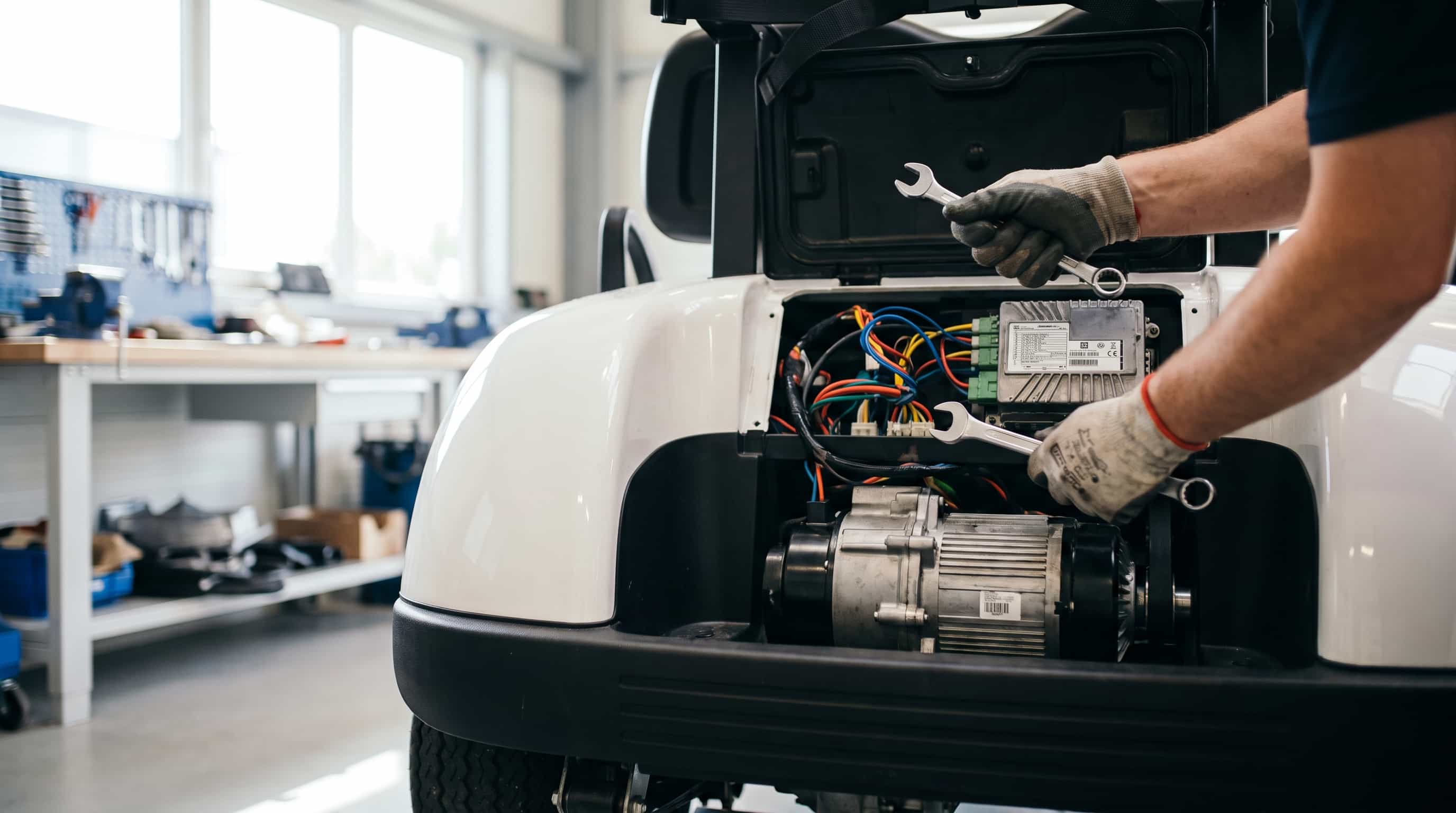
Old golf buggy batteries must not go in general waste: both lead-acid and lithium are hazardous and recyclable, and there is a proper route for them. Lead-acid batteries are widely recycled and often taken back by the supplier of the new set. Lithium needs specialist handling. Take them to a proper facility or hand them to whoever supplies your replacement, safely and without damaging them.
Key takeaways
- Old batteries must not go in general waste; they are hazardous and recyclable.
- Lead-acid is widely recycled and often taken back by the new-set supplier.
- Lithium needs specialist handling and disposal, not general recycling.
- Handle old batteries carefully, since a damaged one is a hazard.
- Use a proper facility or the supplier of your replacement set.
Why disposal matters
When a set is finally replaced, as the repair-versus-replace guide describes, you are left with the old batteries, and what you do with them matters both legally and environmentally. Golf buggy batteries, lead-acid and lithium alike, are classed as hazardous and are recyclable, so they must not be put in general waste or left to leak or be damaged. This is not a grey area: there is a proper route for old batteries, and using it is both the responsible thing and, for a business, an expected one. It also connects to the sustainability point, since responsible disposal is part of running electric transport cleanly rather than just at the point of use.
Lead-acid
Lead-acid batteries have a well-established recycling route, because the lead and other materials in them are valuable and recoverable, which is why they are so widely recycled. In practice, the easiest route for most owners is that whoever supplies your new set often takes the old one back for recycling as part of the exchange, so you do not have to arrange it separately; it is worth asking when you buy the replacement. Failing that, a proper waste or recycling facility that accepts lead-acid batteries will take them. The key points are to keep the old batteries upright and undamaged until they go, since they still hold acid, and to hand them to a route that recycles rather than dumps them.
Lithium
Lithium batteries need more care, both in handling and in disposal. They must not go in general waste or ordinary recycling, and a damaged lithium battery is a genuine hazard, so they need a specialist route that handles lithium properly. Again, the supplier of a replacement lithium set is often the right first port of call, since they will know the correct disposal route for the type, and a proper facility that accepts lithium batteries is the alternative. Do not attempt to dismantle a lithium battery or treat it casually, and if a lithium battery is swollen or damaged, that is a hazard to be handled with particular care, as the battery safety guide stresses. Getting lithium to the right specialist route is the responsible path.
If yours is doing this and the checks here have not settled it, we diagnose and repair buggies, including a callout to wherever it is.
Doing it safely and properly
Whichever type you have, a few principles apply. Handle old batteries with the same care as working ones, since they still hold charge and, for lead-acid, acid, so the battery safety precautions apply and a damaged battery is kept clear of and handled by someone competent. Keep them upright and protected until they are collected or taken away, rather than left to be knocked about or to leak. And use a proper route, the supplier of the new set or a facility that accepts and recycles that battery type, rather than general waste. For a fleet replacing several sets, this is worth building into how you plan replacements, so old batteries are dealt with responsibly as a matter of course. The simple message is that batteries are recyclable and hazardous, so they go to the right place, safely, not in the bin.
Common questions
- Can I put old golf buggy batteries in the bin
- No. Both lead-acid and lithium batteries are hazardous and recyclable, so they must not go in general waste. There is a proper route for them: the supplier of your new set often takes the old one back, or a proper facility that accepts that battery type will recycle it. Keep them upright and undamaged until they go.
- How do I recycle lead-acid buggy batteries
- Lead-acid batteries have a well-established recycling route because their materials are valuable and recoverable. The easiest way is usually that whoever supplies your new set takes the old one back as part of the exchange, so ask when you buy the replacement. Otherwise, a proper recycling facility that accepts lead-acid will take them. Keep them upright and undamaged.
- Is lithium disposed of differently
- Yes. Lithium batteries must not go in general waste or ordinary recycling and need a specialist route that handles lithium properly, since a damaged lithium battery is a genuine hazard. The supplier of a replacement lithium set is often the right first port of call, or a facility that accepts lithium. Do not dismantle or treat a lithium battery casually.
Still not right
We diagnose and repair golf buggies, service them on a plan, and send an engineer out to where the buggy is. Tell us the symptom and we will say what it usually means.
Related pages
Related guides
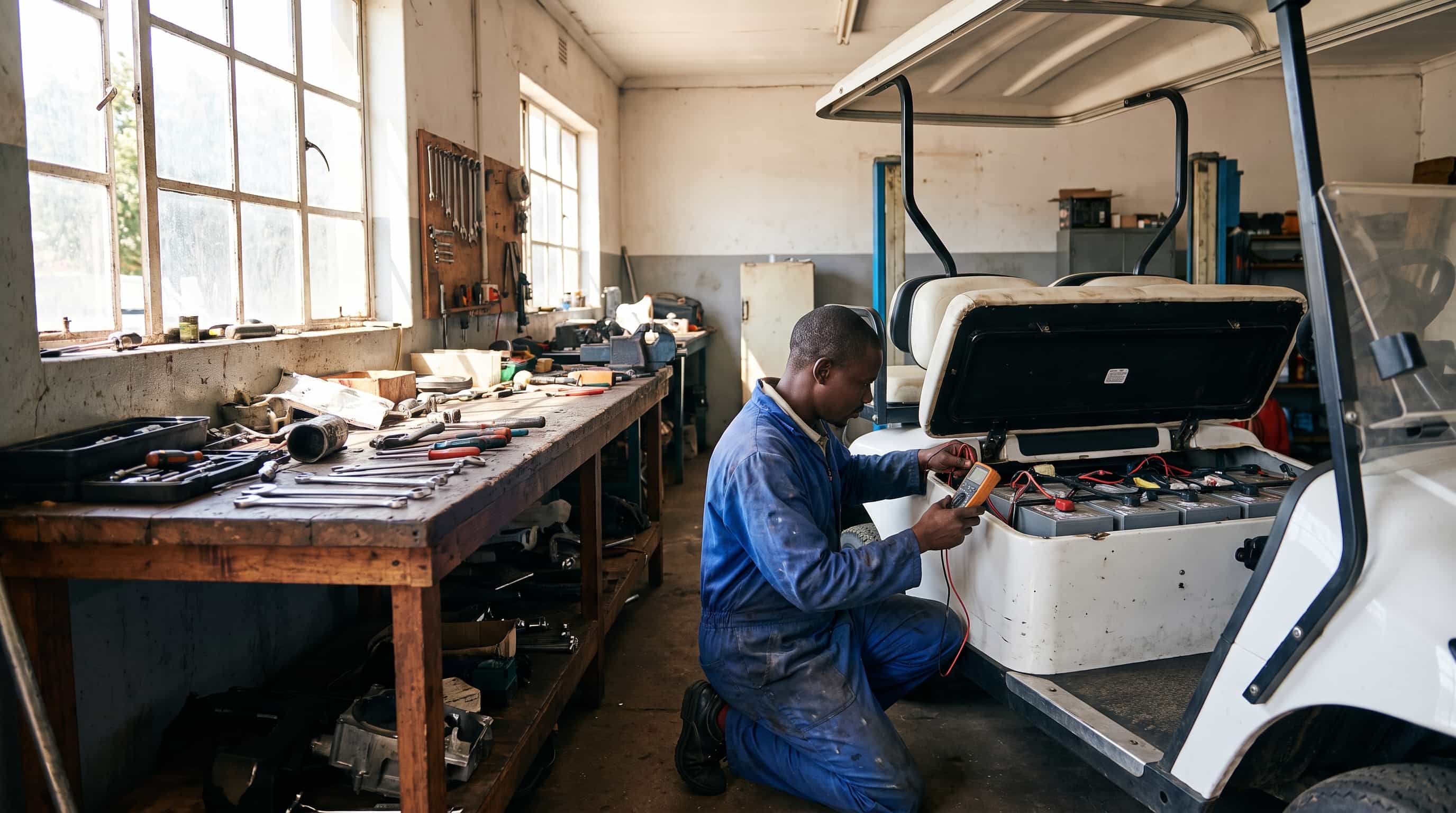 Golf buggy troubleshooting, a complete guide9 minute read
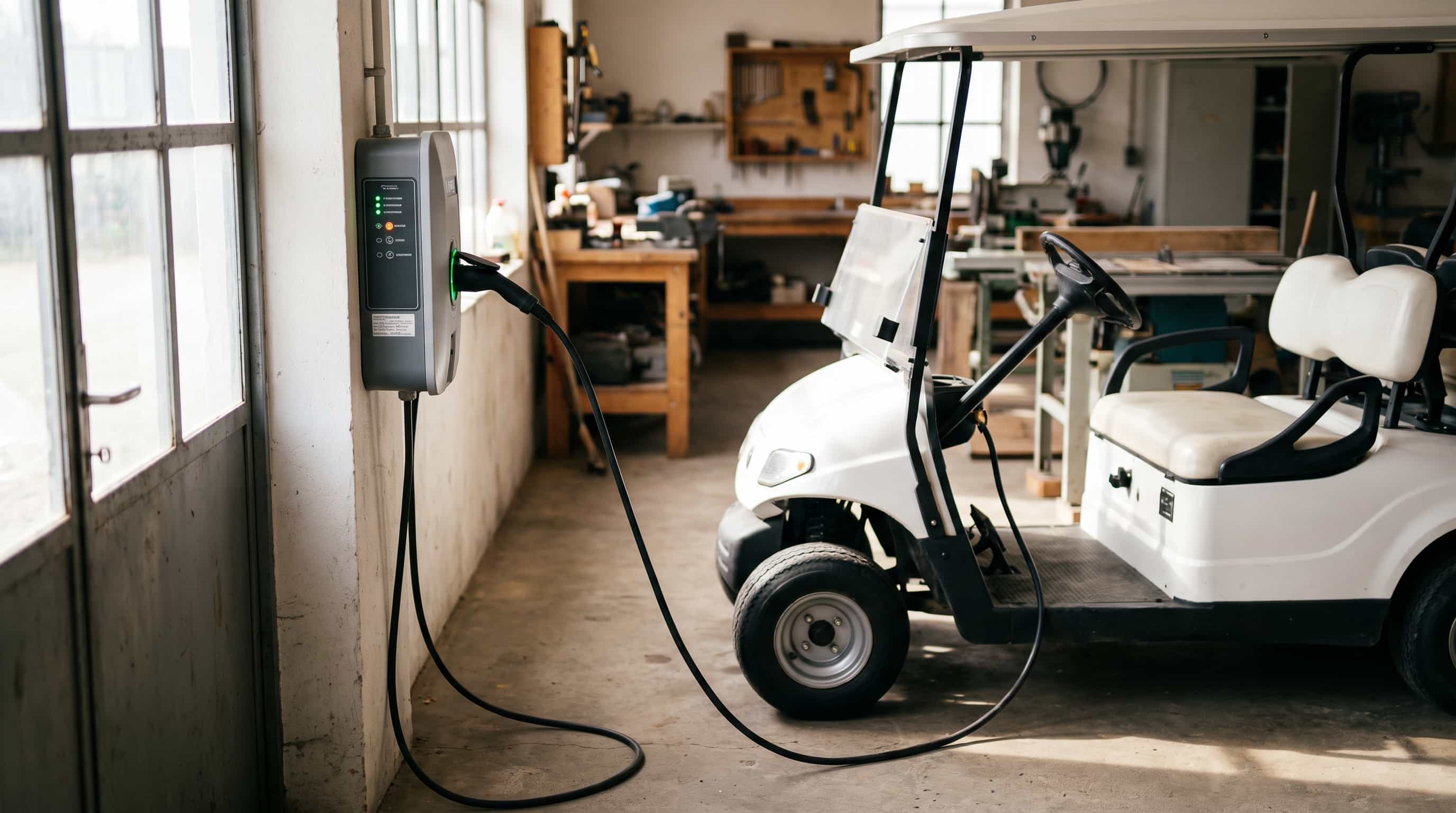 Battery watering and maintenance (lead-acid)6 minute read
- Controller faults and error behaviour6 minute read
 When to repair versus replace a battery set5 minute read
- Golf buggy battery safety, acid, gas and handling5 minute read
- Lithium versus lead-acid batteries in buggies6 minute read