Lithium versus lead-acid batteries in buggies
By James Brown · Updated 21 July 2026 · 6 minute read
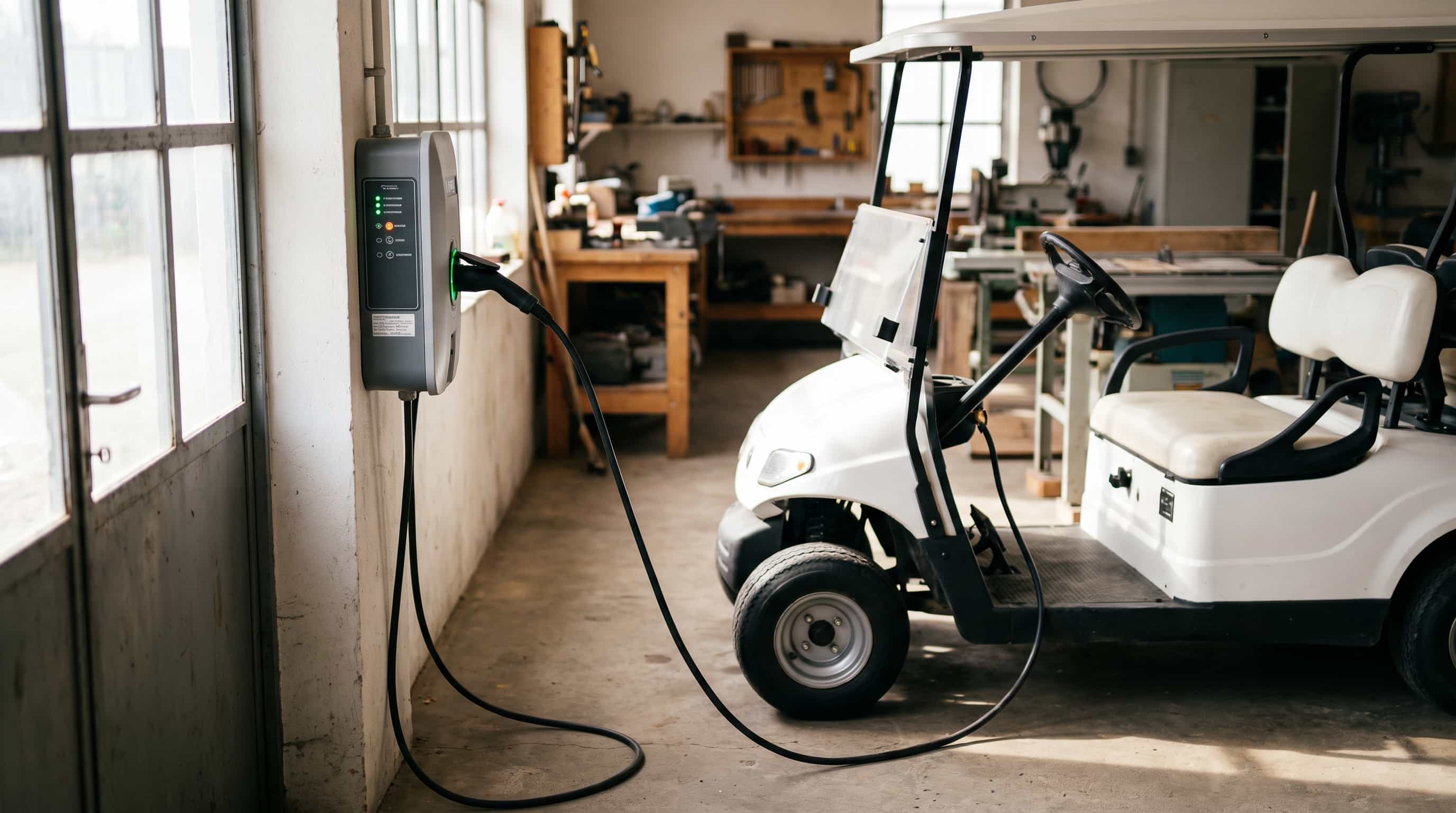
Lead-acid batteries are cheaper to buy, need regular watering, are heavy, and fade as they discharge. Lithium batteries cost more up front, need no watering, are lighter, hold their power better across a charge, and generally last longer, but their faults are less DIY-friendly. Which suits you depends on budget, use and how much maintenance you want to do.
Key takeaways
- Lead-acid is cheaper to buy but needs watering and hates being left flat.
- Lithium costs more up front, needs no watering, and generally lasts longer in cycles.
- Lithium holds its voltage across a discharge, so performance stays steadier as the charge drops.
- Lithium is lighter, which affects handling, range and load, though the buggy is designed around its set.
- Lithium faults involve a battery management system that is not owner-serviceable, unlike simple lead-acid care.
The honest trade-off
There is no single right answer, which is why both are still sold. Lead-acid is the traditional, affordable choice, forgiving to buy and unforgiving to neglect. Lithium is the newer, more expensive choice that asks less of you day to day and generally gives more back over its life. The decision is really about budget, how heavily you use the buggy, and how much hands-on maintenance you are willing to do. Being clear about those three tends to point at one or the other without much agonising.
Cost and maintenance
Up front, lead-acid wins on price, often by a clear margin, which is why it remains common on budget and older buggies. But lead-acid carries a maintenance cost in time and attention: the water must be checked and topped up with distilled water, the terminals kept clean, and the set never left flat, or it dies early. Lithium costs more to buy and needs none of that watering. For an owner who will keep up the maintenance, lead-acid can be good value. For one who will not, lithium often works out better because it removes the neglect that kills lead-acid sets.
How they behave in use
The two feel different to use as they discharge. A lead-acid set sags as it empties, so the buggy slows and weakens noticeably towards the end of a charge, and hills expose that first. A lithium set holds its voltage far better across most of its charge, so performance stays steadier until it is genuinely near empty. Lithium is also lighter, which the buggy's designers account for, and which can help range and available load. For a buggy that must perform consistently through a long day, that steadiness is a real practical difference rather than a spec-sheet one.
If yours is doing this and the checks here have not settled it, we diagnose and repair buggies, including a callout to wherever it is.
Faults and who fixes them
Where they part company most for a repairer is in their faults. Lead-acid faults are mechanical and chemical and largely owner-diagnosable: a dry cell, a corroded terminal, a set left flat, a single dead battery in the string. Lithium sets are managed by a battery management system that protects the cells and can shut the pack down when it detects a problem, and that is not something to poke at. A lithium fault often means a diagnosis of the management system rather than a simple check, and it belongs with someone equipped for it. So lithium buys you less routine maintenance at the cost of less DIY-friendly repair when something does go wrong. If you do not know which type your buggy has, the maker's plate or manual will tell you, and it decides both how you maintain it and how you approach a fault.
Common questions
- Which is better, lithium or lead-acid
- Neither is simply better; they trade off. Lead-acid is cheaper to buy but needs watering and dislikes being left flat. Lithium costs more but needs no watering, holds performance across a charge, and generally lasts longer. Your budget, how hard you use the buggy, and how much maintenance you will do decide which suits you.
- Can I put lithium batteries in a lead-acid buggy
- Sometimes, but it is not a simple swap. The charger, wiring and sometimes the controller need to suit lithium, and the weight difference changes the buggy's balance and behaviour. It is a conversion to plan properly with someone who knows the buggy, not a like-for-like drop-in, so get it specified rather than assume the old charger will do.
- Why does my lead-acid buggy fade towards the end of a charge
- That is normal lead-acid behaviour: the voltage sags as the set discharges, so the buggy slows and weakens as it empties, and hills show it first. A lithium set holds its voltage far more steadily across the charge, which is one of its practical advantages for a long working day.
Still not right
We diagnose and repair golf buggies, service them on a plan, and send an engineer out to where the buggy is. Tell us the symptom and we will say what it usually means.
Related pages
Related guides
 Golf buggy troubleshooting, a complete guide9 minute read
- How much do golf buggy repairs cost6 minute read
- Golf buggy canopy, windscreen and weather protection4 minute read
 Golf buggy battery problems explained7 minute read
- Battery watering and maintenance (lead-acid)6 minute read
 Golf buggy lithium battery management system faults5 minute read