Bringing a buggy out of storage
By James Brown · Updated 21 July 2026 · 5 minute read
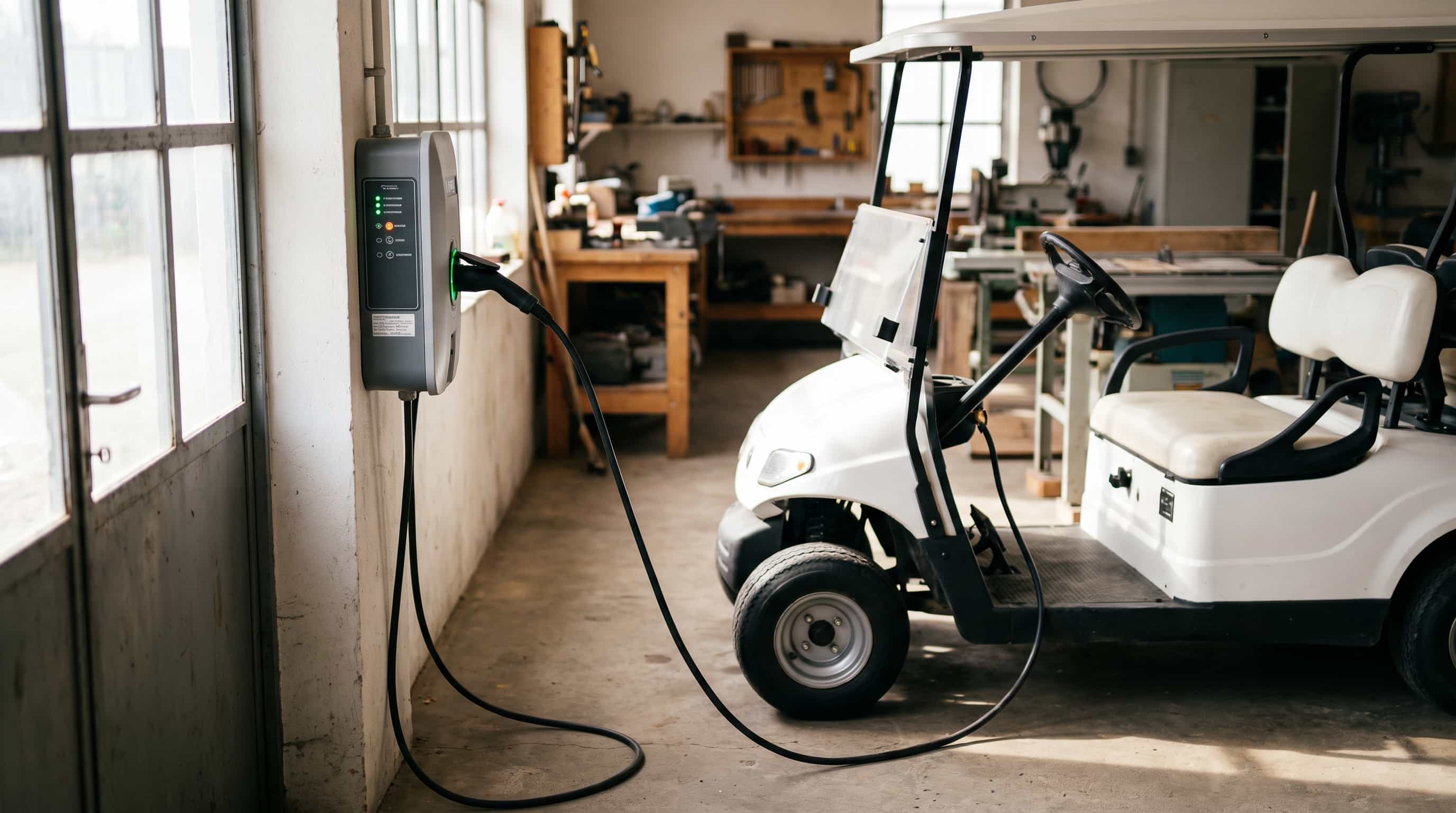
Start with the batteries: check their state and charge them fully before expecting the buggy to perform. Then check tyre pressures, test the brakes gently, and look over the connections for corrosion that standing may have caused. Standing does its damage quietly, so wake the buggy methodically rather than jumping straight in and driving off.
Key takeaways
- Check and fully charge the batteries first, since a stored set is the commonest thing to have suffered.
- A set that will not take or hold charge after storage may have been left too flat and degraded.
- Set tyre pressures, which will have dropped, before driving on soft or flat-spotted tyres.
- Test the brakes gently before relying on them, since standing can leave them rusty or dragging.
- Look for corrosion at the terminals and connectors that months of damp may have caused.
Batteries first, expectations second
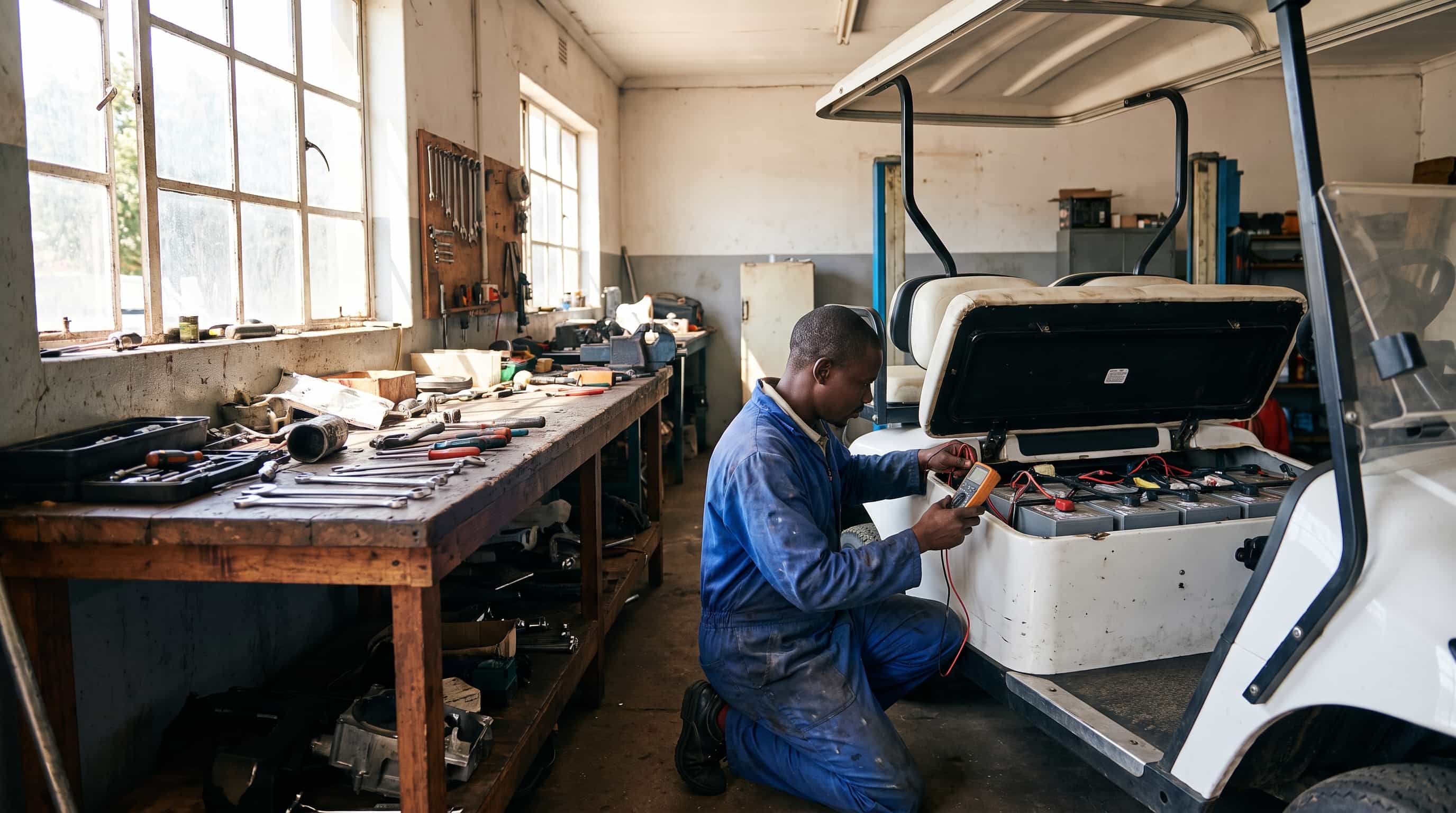
A buggy that has stood for months is not ready to work the moment you uncover it, and the batteries are why. Before judging how the buggy performs, check the state of the set and give it a full charge. A well-maintained set that was stored charged should wake up fine. A set that was left to discharge over the winter may struggle to take or hold a charge, and that is the moment you find out whether the storage was done right.
If the set will not charge properly, resist the urge to keep driving a flat buggy or to force things. A set that has been left too flat for too long may have degraded, and that is a battery-health question covered in the battery guides, not something to drive through.
Tyres, brakes and the standing faults
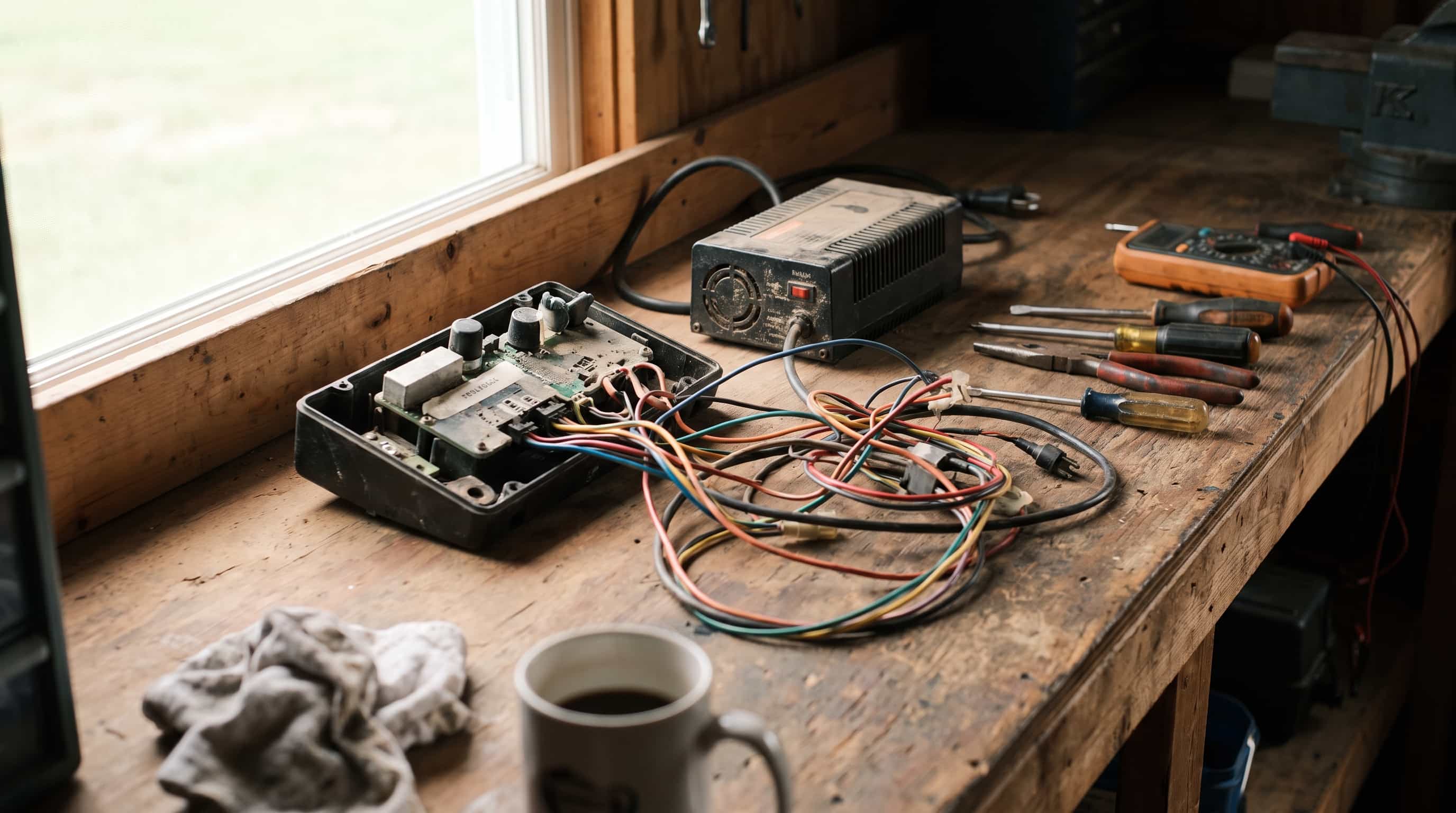
Once the batteries are sorted, work through what standing affects. Tyres lose pressure over months and can carry flat spots, so set them correctly before driving. Brakes can surface-rust or stick after standing, so test them gently at low speed in a safe space before relying on them, rather than discovering a dragging or grabbing brake at speed. Standing damp causes corrosion at battery terminals and electrical connectors, which is a common source of the intermittent faults that appear on the first drive of the season, so a look over the connections is time well spent.
None of this takes long, and it is far better to find a soft tyre or a sticky brake standing still than in motion.
If yours is doing this and the checks here have not settled it, we diagnose and repair buggies, including a callout to wherever it is.
The first drive
Treat the first outing as a shakedown rather than a proper trip. Drive gently, listen for anything new, check the brakes work properly, and watch how the buggy holds its charge across a short run. Problems that hid all winter tend to reveal themselves in the first half hour of use, and a cautious first drive lets you catch them safely.
If the buggy is one of several coming out of storage for a season, this is also the point to fold it into the daily-checks routine, so the whole fleet is woken methodically rather than one breakdown at a time once events begin.
Common questions
- My buggy will not start after winter
- The most common cause is the batteries. A set left to discharge over winter can be too flat for the charger to wake, or may have degraded. Check and try to charge the set first, following the charging guides, before suspecting anything else, since a stored buggy that will not start is usually a battery story.
- The brakes feel odd on the first drive
- Standing can leave brakes lightly rusted, sticky, or dragging, which is why the first drive should be gentle and in a safe space. Often a few careful stops clear surface rust. If a brake keeps dragging, grabbing, or the pedal feels wrong, stop and have it checked rather than continuing, since brakes are a safety system.
- Do I need to do anything to the tyres
- Yes. Tyres lose pressure over months of standing and can develop flat spots where they bore weight. Check and set them to the correct pressure before driving, and if they were left under load all winter, expect them to need a short while, or replacement if a flat spot is severe.
Still not right
We diagnose and repair golf buggies, service them on a plan, and send an engineer out to where the buggy is. Tell us the symptom and we will say what it usually means.
Related pages
Related guides
 Golf buggy troubleshooting, a complete guide9 minute read
- Golf buggy controller settings and programming4 minute read
 Water damage and wet weather faults6 minute read
- Winter storage, preparing a buggy6 minute read
 Golf buggy won't start: causes and fixes6 minute read
 Daily checks for fleet operators5 minute read