Daily checks for fleet operators
By James Brown · Updated 21 July 2026 · 5 minute read
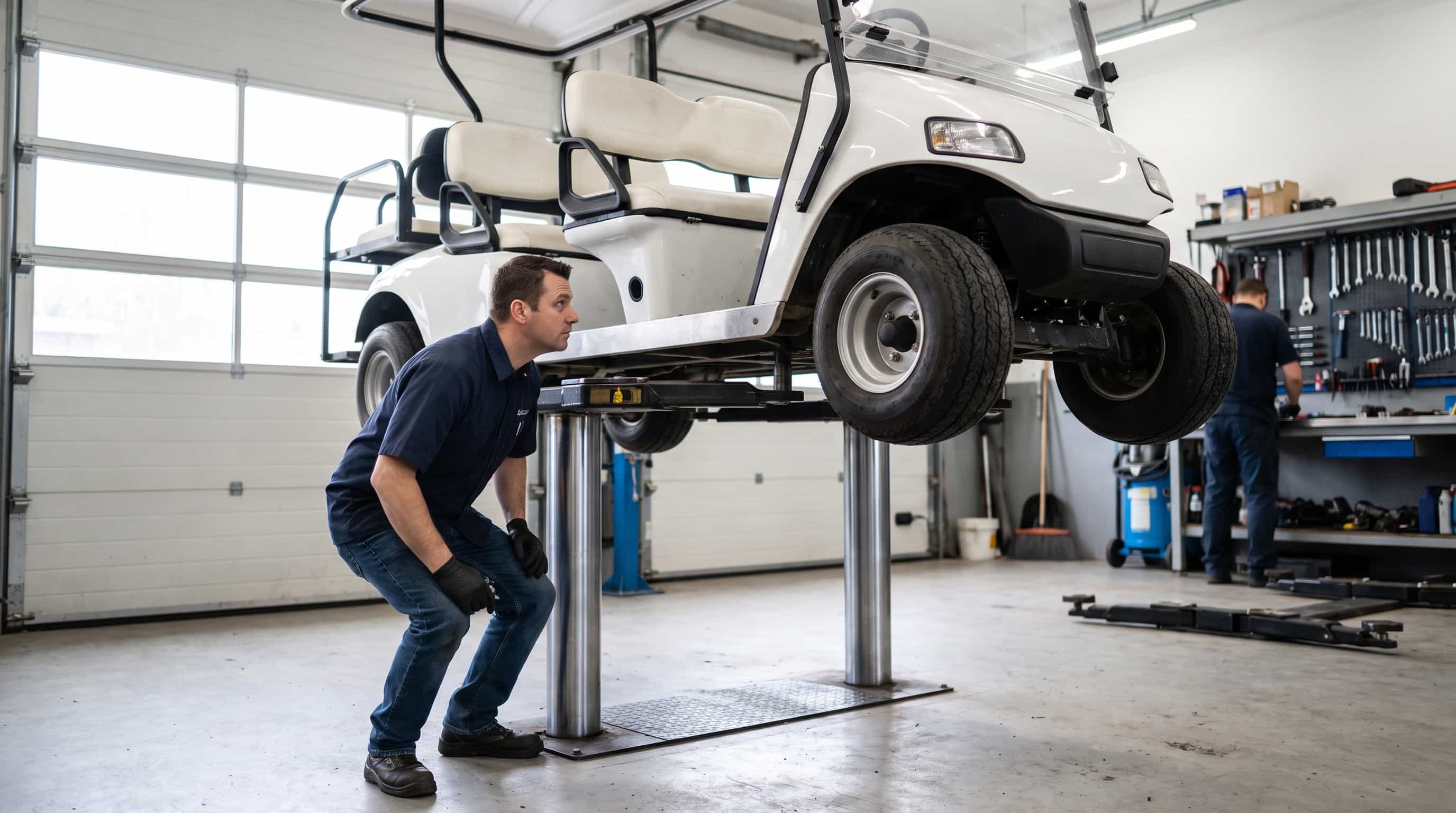
A daily fleet check covers charge, tyres, brakes, steering, and a walk-round for damage or anything loose, done before the buggies go out and recorded so nothing is missed. It takes a couple of minutes per buggy and prevents most in-service breakdowns and safety issues, which is why any venue running buggies at scale should make it routine.
Key takeaways
- A daily check per buggy catches most breakdowns and safety issues before they reach a guest.
- Cover charge, tyres, brakes, steering and a walk-round for damage each day.
- Record the checks, so a fault is logged and a pattern across the fleet is visible.
- Take a buggy out of service the moment a safety check fails, rather than nursing it through the day.
- A couple of minutes per buggy is cheap against a breakdown in front of guests.
Why a fleet needs a routine
A single owner can rely on knowing their buggy. A venue running several, used by different staff and guests, cannot, so the knowledge has to live in a routine rather than a person's head. A daily check turns the vague intention to keep the buggies right into a repeatable process that any team member can do and that leaves a record. The payoff is that most breakdowns and most safety problems are caught in the yard first thing, not discovered halfway round the grounds with guests aboard, which is both an operational and a reputational difference.
What to check each day
The daily list is short by design, so it actually gets done. Charge: is each buggy charged enough for the day ahead, and did it charge properly overnight. Tyres: pressures roughly right and no visible damage or a tyre gone soft. Brakes: the pedal firm, the park brake holding on a slope, no grinding or dragging. Steering: no obvious excess play or heaviness. And a walk-round: anything loose, damaged, leaking or trailing, seats and bodywork sound, lights and horn working if the buggy uses them. That covers the failures that actually strand a buggy or put a guest at risk.
Recording it
The record is what separates a routine from a good intention. A simple sheet or a digital log per buggy, dated and initialled, does three things. It proves the check happened, which matters if there is ever an incident and a question of due diligence. It flags a fault so it is acted on rather than forgotten between shifts. And over time it shows patterns, the buggy that keeps needing air, the one whose brakes are drifting, which is how you catch a developing fault before it fails. It need not be elaborate. It needs to exist and be used.
If yours is doing this and the checks here have not settled it, we diagnose and repair buggies, including a callout to wherever it is.
The discipline that makes it work
The routine is only worth anything if a failed check has teeth. The rule that makes it real is simple: if a safety check fails, brakes not right, steering wrong, something clearly unsafe, the buggy comes out of service until it is fixed, rather than being nursed through a busy day. It is tempting under event pressure to send a marginal buggy out because you are short, and that is exactly when the daily check earns its place by giving the team the confidence and the record to say no. A buggy parked with a fault is a minor problem; a buggy failing in use in front of guests is not.
Common questions
- What should a daily buggy check include
- Charge, tyres, brakes, steering and a walk-round for damage or anything loose, per buggy, before they go out. That short list covers the faults that actually strand a buggy or create a safety risk. Keep it brief enough that it genuinely gets done every day rather than skipped when the yard is busy.
- Do we really need to write it down
- Yes, for three reasons: it proves the check happened if there is ever an incident, it makes sure a found fault is acted on rather than forgotten between shifts, and it reveals patterns over time. A simple dated, initialled sheet or digital log per buggy is enough; it just has to exist and be used.
- What if a buggy fails a check on a busy day
- Take it out of service until it is fixed. The pressure to send a marginal buggy out because you are short is exactly the situation the routine exists to resist. A parked buggy is a minor inconvenience; one that fails in use with guests aboard, especially on brakes or steering, is a serious matter.
Still not right
We diagnose and repair golf buggies, service them on a plan, and send an engineer out to where the buggy is. Tell us the symptom and we will say what it usually means.
Related pages
Related guides
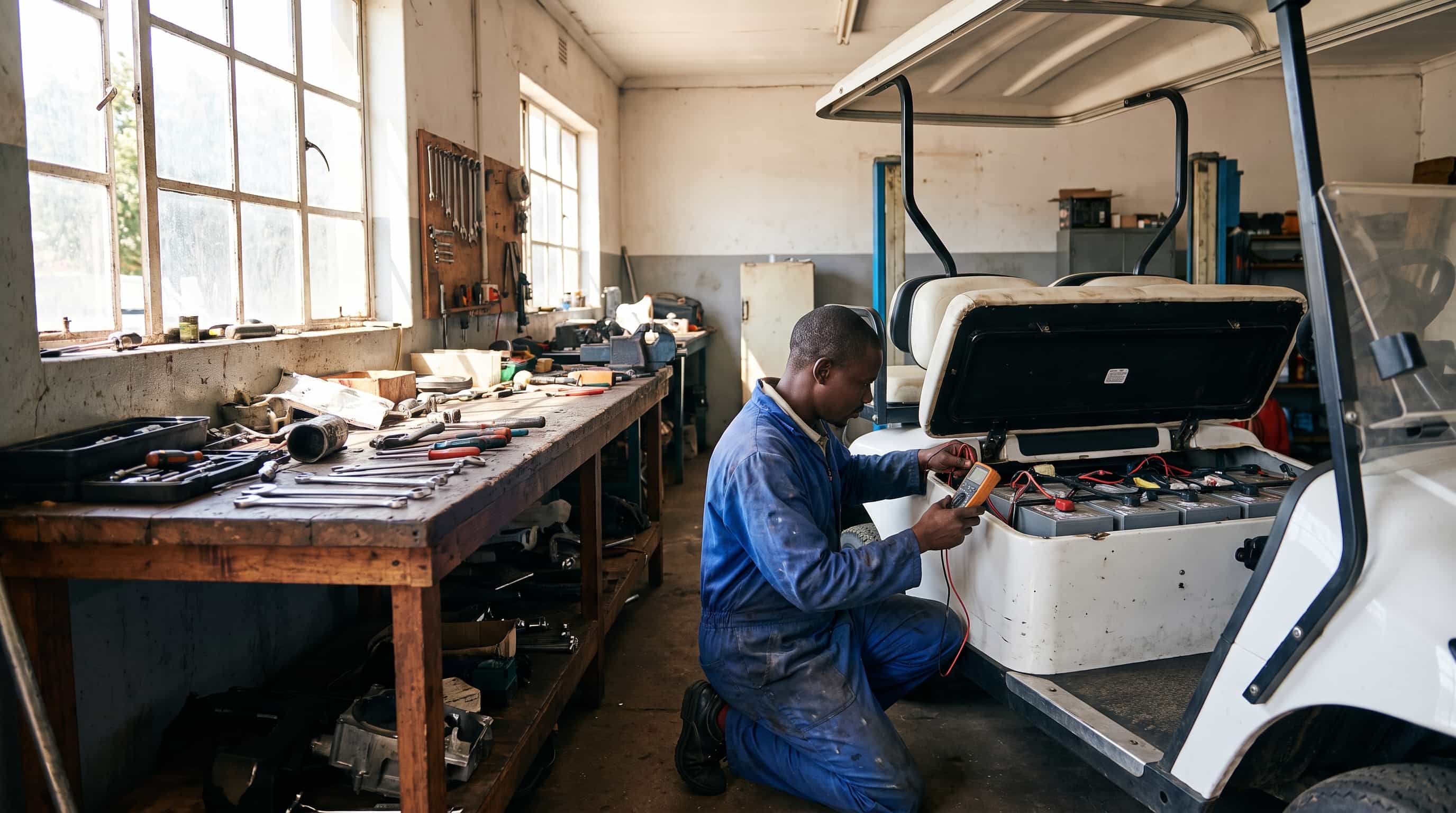 Golf buggy troubleshooting, a complete guide9 minute read
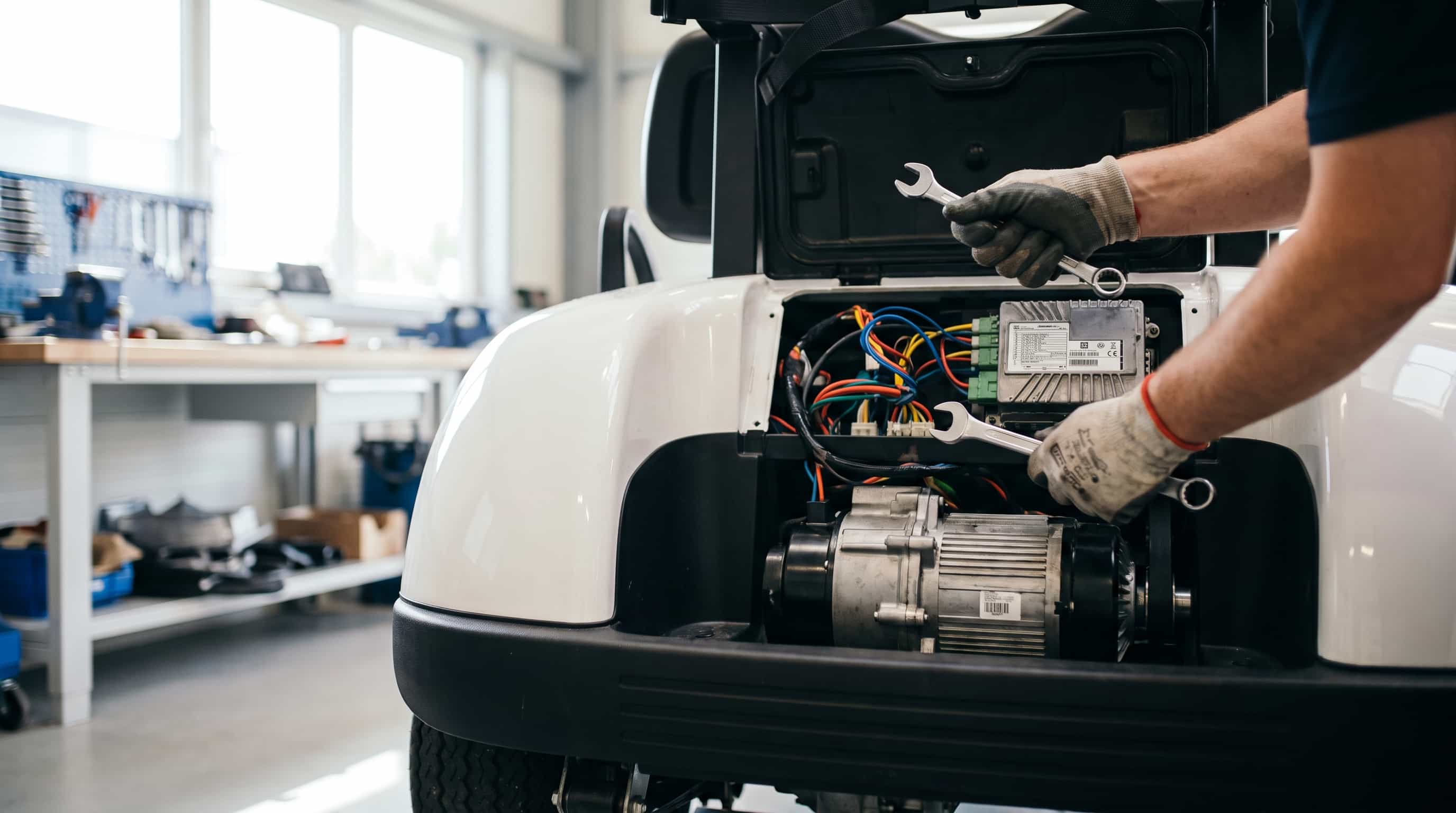 Golf buggy battery disconnect and isolator4 minute read
- Golf buggy range has dropped5 minute read
- Servicing schedule, what and when6 minute read
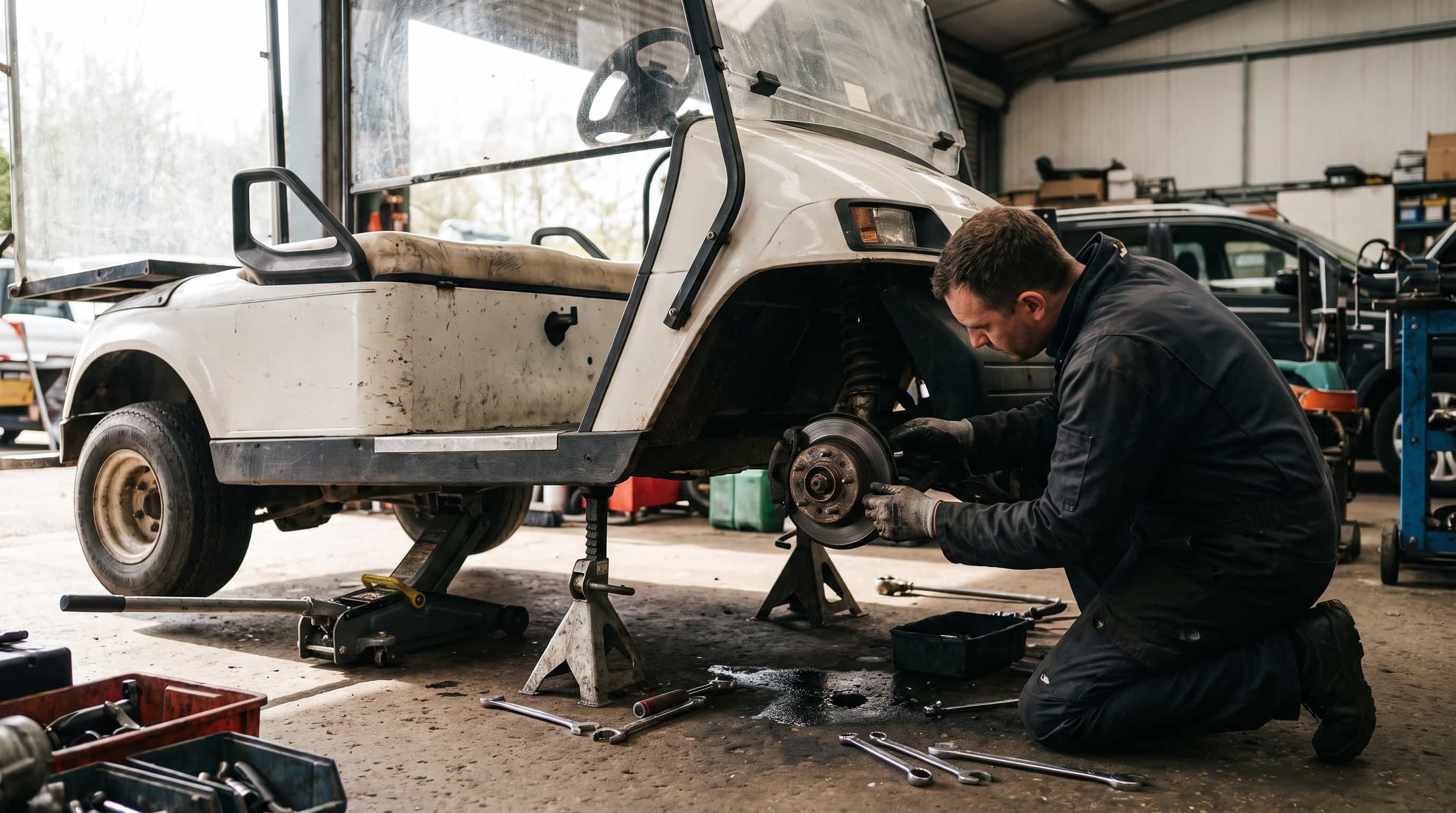 Fleet maintenance planning for venues6 minute read
- Golf buggy pre-event checklist for hirers4 minute read