Winter storage, preparing a buggy
By James Brown · Updated 21 July 2026 · 6 minute read
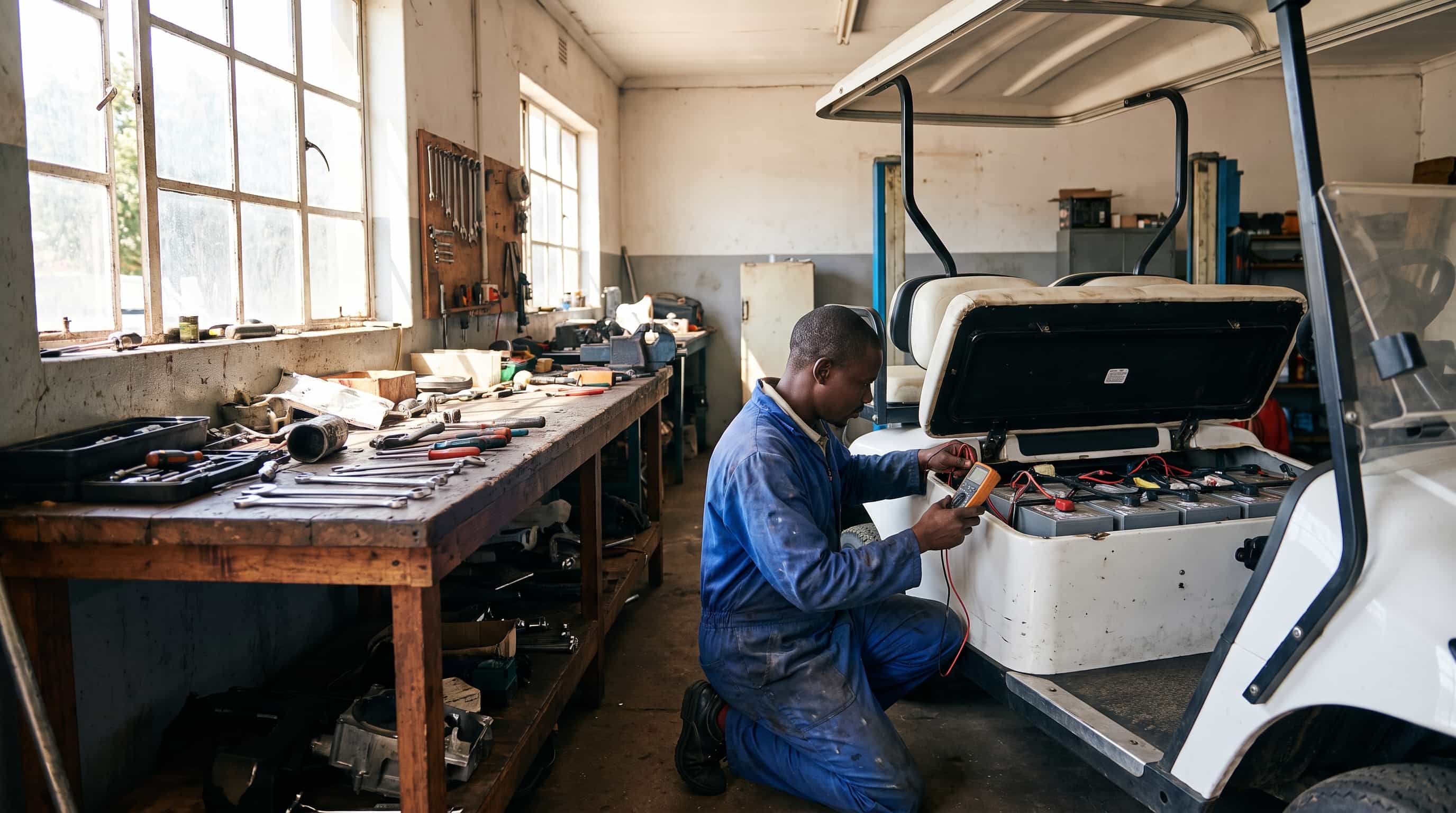
The one thing that ruins a buggy over winter is a battery left flat, so store it charged and keep the charge topped through the cold months. Beyond that, clean and dry it, set the tyres correctly, store it somewhere dry and out of hard frost if you can, and protect it from damp. Batteries are what winter kills, so batteries are where the care goes.
Key takeaways
- A battery left flat over winter degrades and can be dead by spring, so store the set charged.
- Keep the charge topped through winter with a suitable maintenance charge, not by leaving it empty.
- Clean and dry the buggy first, since trapped damp and dirt corrode over months of standing.
- Set tyre pressures correctly and, if you can, take the weight off standing tyres.
- Store dry and out of hard frost where possible, and protect from damp with a breathable cover.
Batteries are the whole game
If you remember one thing about winter storage, make it this: the batteries are what winter destroys, and they destroy themselves by being left flat. A lead-acid set left discharged over months degrades permanently, so a set that was merely flat when you parked it in October can be genuinely dead by March. That single mistake accounts for a large share of dead-in-spring buggies, and it is entirely avoidable.
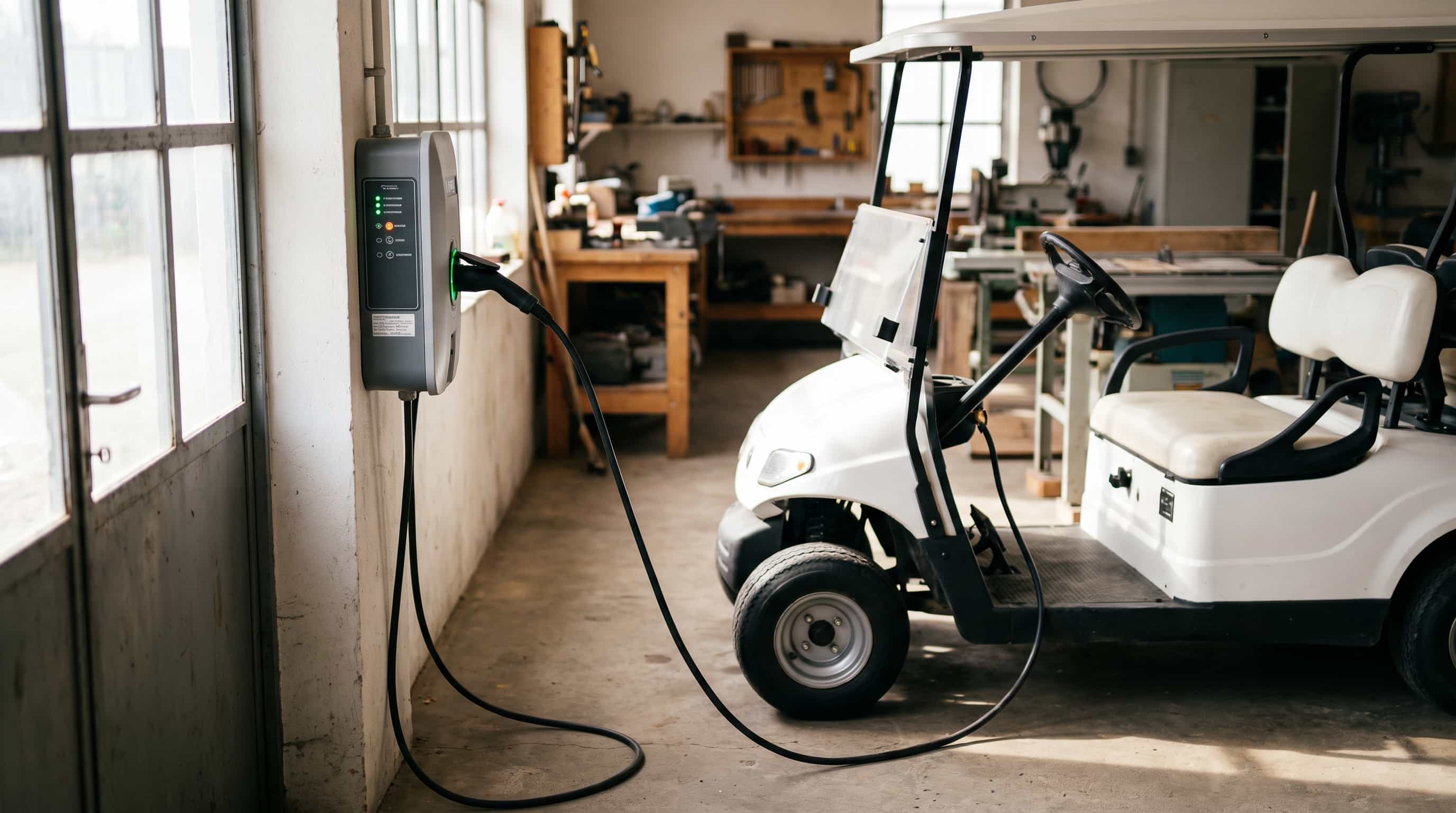
So charge the set fully before storage, and keep it topped through the winter rather than letting it sink. Depending on your charger, that may mean leaving it on a charger designed to maintain the set, or returning to give it a charge periodically. The trickle and maintenance charging guide covers how to do that safely for your type of charger, since not every charger is safe to leave connected for months.
Clean and dry before it stands
A buggy that stands for months does so with whatever is on it, so put it away clean and dry. Mud, grass and damp left on the buggy hold moisture against metal and trap it in crevices, and months of that causes corrosion that a wash beforehand prevents. Dry it properly after washing rather than shutting a wet buggy away, and pay attention to the battery area and the electrical connections, since standing damp there causes exactly the corrosion faults that show up when you try to use it again.
Tyres and the rest
Tyres lose pressure over a long stand and can develop flat spots where they bear weight. Set them to the correct pressure before storage, and if you are able to, take the weight off them or move the buggy occasionally so it does not sit on the same spot all winter. Beyond that, a few sensible touches help: leave it in gear or with the park brake as the maker advises, disconnect or isolate where recommended, and keep it somewhere dry and, if possible, out of hard frost, since cold is harder on a battery than a mild spell.
If yours is doing this and the checks here have not settled it, we diagnose and repair buggies, including a callout to wherever it is.
Protecting it
Where you store it matters more than any product. A dry building is far better than outdoors under a sheet. If it must stand outside or in a damp space, use a breathable cover rather than a sealed plastic one, because a sealed cover traps condensation against the buggy and can leave it wetter than no cover at all. The aim through winter is simple: a charged, maintained battery, a clean dry buggy, and as little damp and frost as you can manage. Get those right and the buggy comes out in spring ready to work rather than needing a repair before its first outing.
Common questions
- Do I need to charge the batteries over winter
- Yes, and it is the most important thing you do. A set left flat over winter degrades and can be dead by spring. Store it fully charged and keep it topped through the cold months with a charge suited to your set, rather than leaving it to slowly discharge in the cold.
- Can I leave it on the charger all winter
- It depends on your charger. A charger designed to maintain a set can be left connected and will hold it correctly, which is ideal. An older or unmatched charger that keeps pushing current can overcharge and damage a lead-acid set, so check what yours is designed to do before leaving it plugged in for months.
- Is it better to store it inside or outside
- Inside and dry is far better. If it must be outside or in a damp space, use a breathable cover rather than a sealed plastic one, because sealed plastic traps condensation against the buggy. Keeping it out of hard frost also helps the batteries, which suffer more in the cold.
Still not right
We diagnose and repair golf buggies, service them on a plan, and send an engineer out to where the buggy is. Tell us the symptom and we will say what it usually means.
Related pages
Related guides
- Golf buggy troubleshooting, a complete guide9 minute read
- Golf buggy voltage systems, 36V and 48V explained4 minute read
 Motor problems, symptoms and causes6 minute read
 Bringing a buggy out of storage5 minute read
 Golf buggy battery problems explained7 minute read
 Golf buggy trickle charging and maintenance charging4 minute read