Golf buggy micro-switch faults
By James Brown · Updated 21 July 2026 · 4 minute read
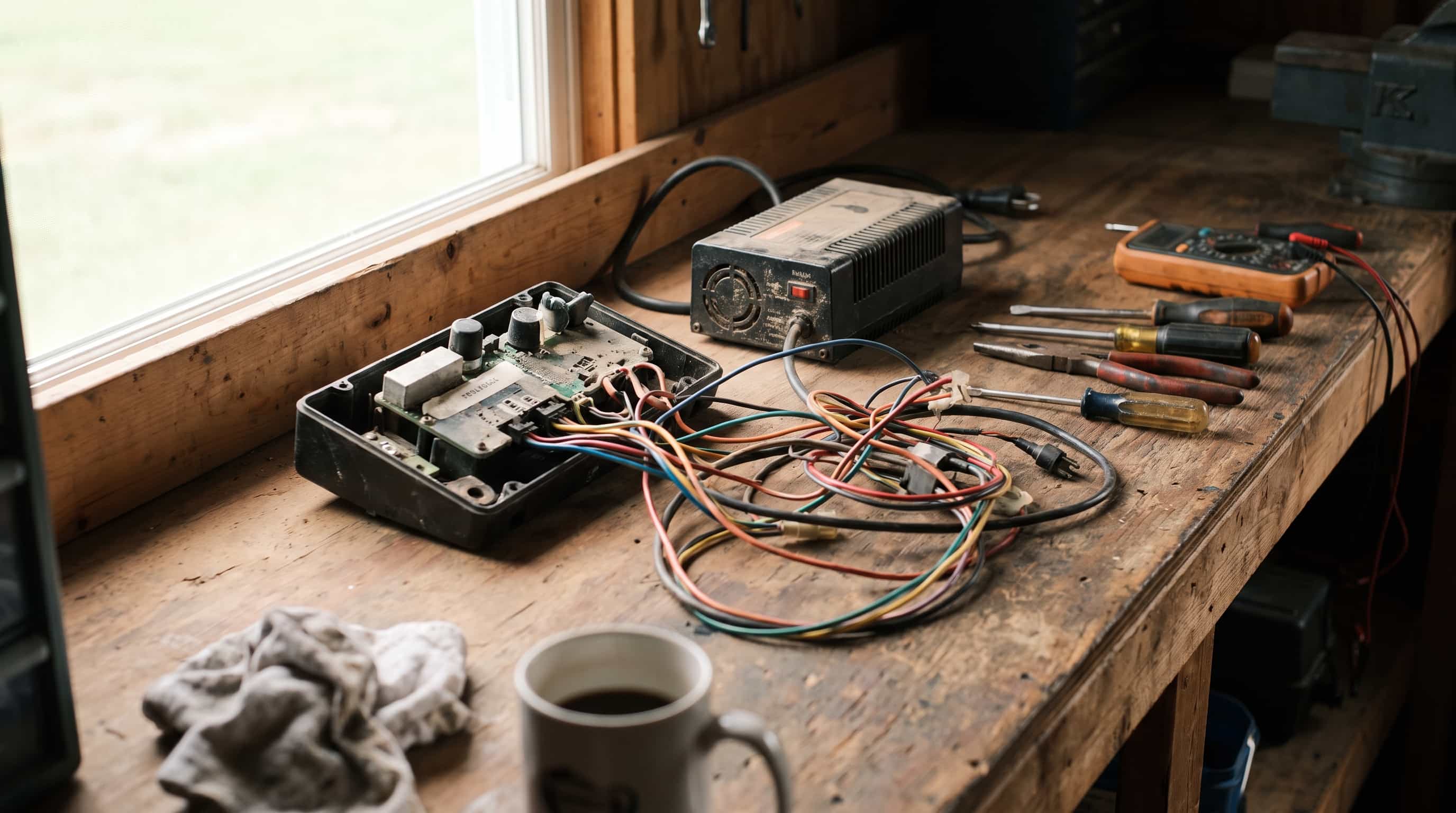
Micro-switches are the small safety switches that tell the drive when it is right to deliver power: the seat switch and the pedal switch. When one fails or goes intermittent, the buggy will not drive, or cuts out, even though the batteries, controller and motor are fine. A dead or cutting-out buggy with healthy power is often one of these switches rather than an expensive part.
Key takeaways
- Micro-switches are the small safety switches in the drive control path.
- The seat switch checks someone is aboard; the pedal switch signals a request for drive.
- A faulty switch stops or interrupts drive even when the batteries and controller are fine.
- An intermittent switch causes cutting out that comes and goes, often provoked by movement.
- They are a cheap, common cause worth checking before suspecting the controller or motor.
The switches in the control path
As the wiring guide explains, a healthy drive circuit can still refuse to move the buggy, and the micro-switches are often why. These are small switches that sit in the control path and tell the controller and solenoid when it is right to deliver power. The seat switch confirms someone is sitting on the buggy; the pedal micro-switch signals that the driver is pressing the pedal and asking for drive. Together they make sure the buggy does not drive off with nobody aboard or without a request. Being safety switches in the path, they can stop the buggy dead even when everything expensive is perfectly healthy.
How a switch fault shows
A failed micro-switch has recognisable symptoms. If the seat or pedal switch is not making when it should, the buggy simply will not drive: you sit, press the pedal, and nothing happens, often with no solenoid click because the coil is never told to energise. That looks alarming but is a cheap fault. More insidious is the intermittent switch, one that makes contact sometimes and not others, which gives a buggy that cuts out unpredictably, the drive dropping as the switch loses contact and returning as it makes again, often provoked by a bump or by the switch's own wear. That come-and-go cutting out is a classic micro-switch or connection fault rather than a controller problem.
Telling it apart from a bigger fault
The value of knowing about these switches is that it stops owners spending on the wrong thing. A dead or cutting-out buggy tempts people towards the controller or motor, the expensive parts, when the cause is frequently a cheap switch or its wiring. The logic is the same as elsewhere: an intermittent, come-and-go fault points at a switch or a connection, while a solid, always-present fault is more likely elsewhere. And no solenoid click when you press the pedal points upstream to these switches and the coil circuit rather than to the solenoid or beyond. So on a no-drive or cutting-out fault, the seat switch, the pedal switch and their wiring are among the first and cheapest things to check.
If yours is doing this and the checks here have not settled it, we diagnose and repair buggies, including a callout to wherever it is.
Checking and replacing
An owner comfortable with basic electrical work can test a micro-switch with a meter, confirming whether it makes and breaks as the seat is loaded or the pedal pressed, and can check the switch's connections for the corrosion and looseness that cause the same symptoms. A switch that does not make reliably, or connections that are corroded, are cheap to sort, and replacing a micro-switch is a recognised job. Where it goes to an engineer is when the checks do not add up, or you are not confident working in the drive control path, since a switch wired or fitted wrong could let the buggy behave unsafely. But as a first suspect for a dead or cutting-out buggy with otherwise healthy power, these switches are cheap, common, and well worth checking before anything expensive.
Common questions
- My buggy will not drive but has power
- That can be a micro-switch. The seat and pedal switches tell the drive when to deliver power, and if one is not making, the buggy will not move even with healthy batteries, controller and motor, often with no solenoid click. It is a cheap, common cause, so check these switches and their wiring before suspecting the expensive parts.
- It cuts out and comes back for no clear reason
- An intermittent micro-switch is a classic cause of come-and-go cutting out: the switch makes contact sometimes and not others, so drive drops and returns, often provoked by a bump. A corroded connection does the same. Check the seat and pedal switches and their wiring, since an intermittent fault points at a switch or connection rather than the controller.
- Can I replace a micro-switch myself
- Testing one with a meter and checking its connections is within reach if you are comfortable with basic electrical work, and replacement is a recognised job. Hand it to an engineer if the checks do not add up or you are not confident in the drive control path, since a switch fitted or wired wrong could let the buggy behave unsafely.
Still not right
We diagnose and repair golf buggies, service them on a plan, and send an engineer out to where the buggy is. Tell us the symptom and we will say what it usually means.
Related pages
Related guides
 Golf buggy troubleshooting, a complete guide9 minute read
 Fleet maintenance planning for venues6 minute read
 How to make a golf buggy electrically safe, step by step4 minute read
 Golf buggy won't start: causes and fixes6 minute read
 Buggy cuts out while driving6 minute read
- Solenoid faults explained6 minute read