Clicking noise when accelerating
By James Brown · Updated 21 July 2026 · 5 minute read
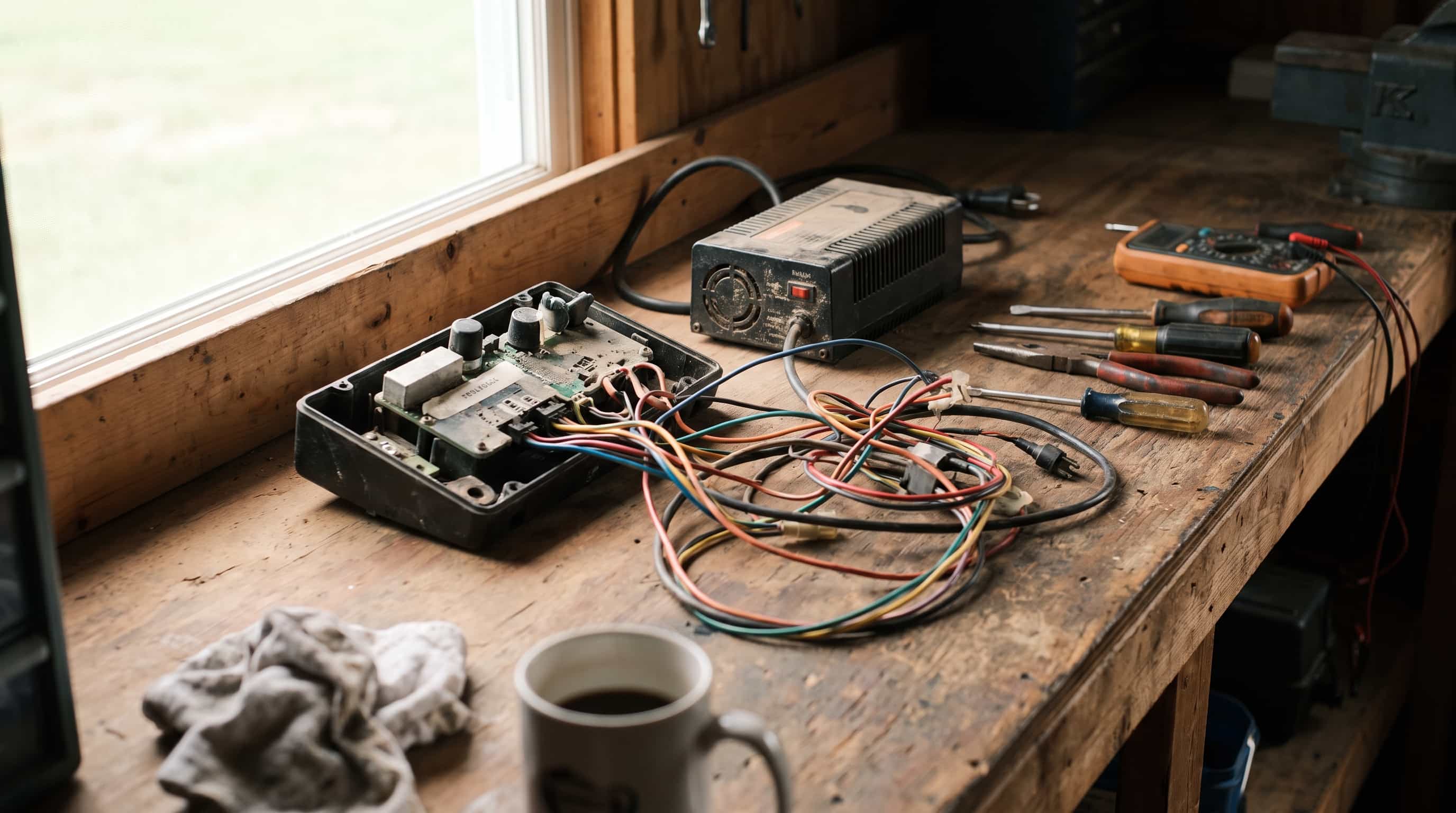
A single click as you press the pedal is normal: it is the solenoid connecting the battery to the controller. A repeated click that comes with each turn of the wheels, or a click that grows under load, is not normal and usually points at a worn drivetrain joint or something caught. Tell the two apart by whether the click happens once or keeps time with the wheels.
Key takeaways
- One click when you first press the pedal is the solenoid, and it is meant to be there.
- A click that repeats in time with wheel rotation is mechanical and worth investigating.
- A click that gets louder under load or on turns points at the drivetrain or a joint.
- Rapid clicking or chattering from the solenoid area is a fault, not the normal single click.
- Something caught in a wheel or the drive can click convincingly, so rule out the simple cause first.
The click that is meant to be there
Most electric buggies click once when you sit on the seat and press the pedal from rest. That is the solenoid, the main contactor, pulling in to connect the battery pack to the controller. It is a healthy, expected sound, and its absence when a buggy will not move is itself a diagnostic clue. So before worrying, establish whether it is one click at the start or a repeated click while driving, because they mean completely different things.
A click that keeps time with the wheels
If the click repeats, and its rhythm speeds up as you go faster and slows as you slow, it is tied to something rotating. On the drive side, a worn joint or coupling in the drivetrain can click once per revolution as it takes up play under power. A stone or a piece of debris trapped in a wheel or against a brake does the same and is the first thing to rule out, because it is free to fix.
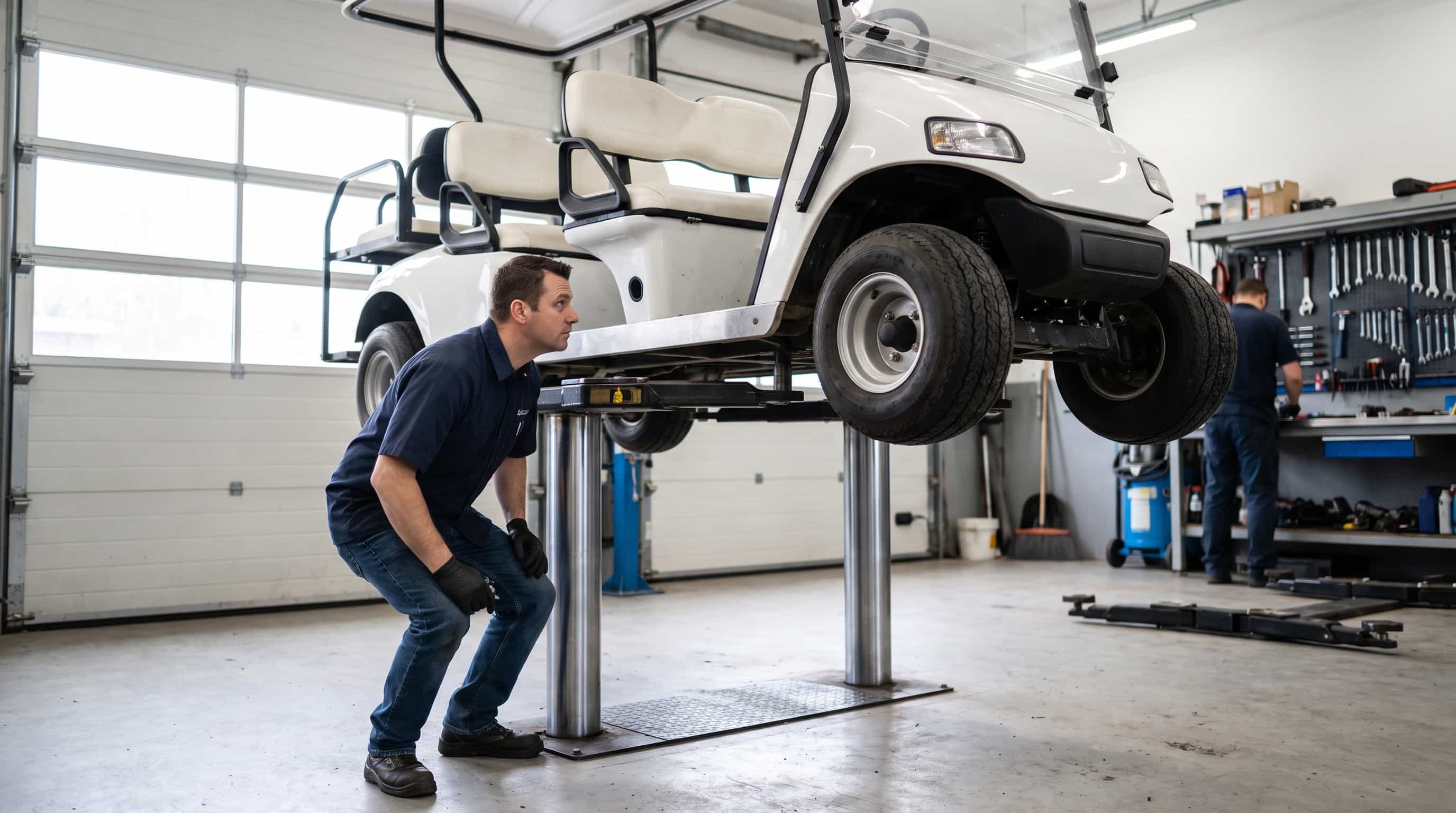
Lift the offending wheel clear of the ground where it is safe to do so, spin it by hand and listen, and check for anything caught. If the click only appears under drive and load rather than a free spin, the fault is more likely inside the drivetrain and is a job for someone who can open it up properly.
A click that grows under load
A click that is quiet on the flat and pronounced when pulling away hard, climbing, or turning under power is being provoked by load. That pattern fits a worn drive joint or a differential taking up excessive backlash. It is not usually an emergency, but it does not cure itself, and a joint that clicks today tends to become a clunk and then a failure over time. Getting it looked at while it is still a click is cheaper than waiting.
If yours is doing this and the checks here have not settled it, we diagnose and repair buggies, including a callout to wherever it is.
Chattering from the solenoid
There is one electrical click worth flagging. If instead of a single crisp click you hear rapid chattering from the solenoid when you press the pedal, that is not normal. It usually means the solenoid coil is not getting a steady enough supply to hold in, often because of low battery voltage or a poor connection, and the contactor is buzzing in and out. That is covered in the solenoid guide, and it is a fault rather than something to drive on.
Common questions
- Is a click when I press the pedal a problem
- On its own, no. A single click as you first press the pedal is the solenoid connecting the pack to the controller, and it is meant to happen. It only becomes a concern if it turns into rapid chattering, or if there is a separate click that repeats while you drive.
- The click repeats as the wheels turn
- That ties the noise to something rotating: most often a worn drivetrain joint, or something trapped in a wheel or against a brake. Rule out debris first by inspecting the wheels, then, if it only clicks under drive and load, have the drivetrain checked rather than driving on it.
- Should I keep driving with a clicking drivetrain
- A mild, load-related click is not usually an emergency, but it will not improve, and it can develop into a heavier knock and eventual failure. Have it diagnosed sooner rather than later, and stop straight away if the click becomes a clunk or you feel play through the drive.
Still not right
We diagnose and repair golf buggies, service them on a plan, and send an engineer out to where the buggy is. Tell us the symptom and we will say what it usually means.
Related pages
Related guides
 Golf buggy troubleshooting, a complete guide9 minute read
 Golf buggy loses charge while parked4 minute read
 Golf buggy DC-to-DC converter faults4 minute read
 Solenoid faults explained6 minute read
- Squealing or grinding noises explained6 minute read
 Golf buggy transaxle and differential basics5 minute read