Cleaning and caring for bodywork and seats
By James Brown · Updated 21 July 2026 · 5 minute read
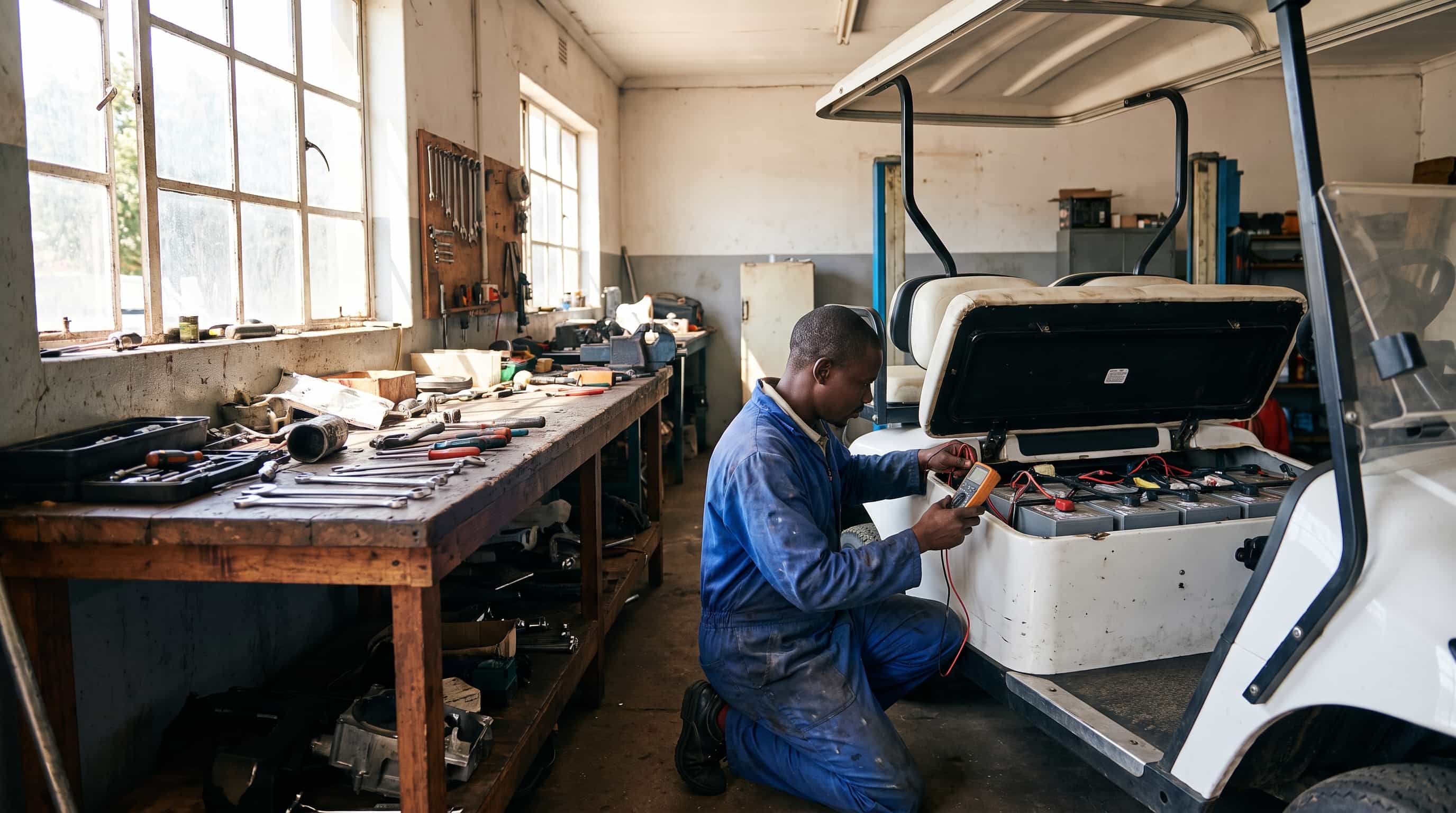
Clean a buggy with a sponge, mild soap and a gentle hose rather than a pressure washer aimed at the electrics, because the commonest way to harm a buggy while cleaning is to drive water into its connectors and controller. Keep pressure away from the battery area and charge socket, dry it before charging, and care for the seats and body with suitable products.
Key takeaways
- The main risk in cleaning is water damage, not dirt, so how you wash matters more than how often.
- Keep pressure washers, and even a strong hose, away from connectors, the controller and charge socket.
- Wash with a sponge and mild soap, rinse gently, and dry the buggy before charging or storing.
- Care for the seats with products suited to the material, and protect the body from the weather.
- A clean, dry buggy corrodes far less, so cleaning is maintenance as well as appearance.
Cleaning without causing a fault
The irony of buggy cleaning is that the tool people reach for, a pressure washer, is the tool most likely to create a fault. A lance held close drives water past seals that ordinary rain never reaches, straight into the connectors, the controller and the battery area, and that is a common cause of self-inflicted electrical trouble. So the first rule of cleaning is about water, not dirt: wash with a sponge, a bucket of mild soapy water and a gentle hose or rinse, and keep any real pressure well away from the electrical parts and the charge socket.
That does not mean a buggy cannot be washed properly. It means the muddy underside and battery area get a gentle rinse and a wipe rather than a blast, and the bodywork gets the normal treatment.
Body and seats
The visible surfaces reward a little care, especially on a buggy used for weddings and events where it is on show. Wash the body with mild soap and rinse, avoiding harsh solvents that can dull or damage the finish. Seats vary by material, vinyl being common, and respond to a cleaner suited to that material rather than anything abrasive, which cracks and dries the surface over time. Keeping the seats clean and conditioned stops them hardening and splitting, which is the usual way buggy seats age badly.
Between washes, wiping off mud, grass and bird mess promptly stops it staining or holding damp against the surface, which is easier than removing it once dried on.
If yours is doing this and the checks here have not settled it, we diagnose and repair buggies, including a callout to wherever it is.
Cleaning as maintenance
It helps to see cleaning as part of keeping the buggy healthy, not just smart. Dirt and damp trapped against metal, in crevices, and around the battery and connections cause corrosion, and corrosion is behind a great many electrical faults on an outdoor machine. A buggy that is regularly cleaned and, crucially, dried, corrodes far less than one left caked after every muddy event. So the routine of washing and drying, particularly before the buggy is stored or stood for a while, quietly prevents faults you would otherwise be diagnosing later.
The one discipline to hold onto is drying. A buggy put away wet, or charged while still soaked, invites exactly the water and corrosion faults that careful cleaning was meant to avoid. Wash it, dry it, then charge or store it.
Common questions
- Can I jet wash my golf buggy
- Wash it, but keep the pressure away from the connectors, controller, battery area and charge socket, because a close lance drives water past seals that rain never reaches and causes electrical faults. Use a sponge and gentle rinse for those areas, and save any pressure for robust bodywork and wheels well clear of the electrics.
- How do I stop the seats cracking
- Clean them with a product suited to the seat material rather than anything abrasive or solvent-heavy, and keep them clean and conditioned so the surface does not dry out. Hardening and splitting is the usual way buggy seats age, and it is largely prevented by regular gentle cleaning and keeping them out of constant harsh sun where you can.
- Does cleaning actually help the buggy last
- Yes. Dirt and damp trapped against metal and around the electrics cause corrosion, which is behind many faults on an outdoor buggy. A buggy that is regularly cleaned and dried, especially before storage, corrodes far less. The key is drying it afterwards, since a buggy put away wet defeats the point.
Still not right
We diagnose and repair golf buggies, service them on a plan, and send an engineer out to where the buggy is. Tell us the symptom and we will say what it usually means.
Related pages
Related guides
- Golf buggy troubleshooting, a complete guide9 minute read
 Golf buggy battery age and date codes4 minute read
 Common electric golf buggy faults across brands5 minute read
 Water damage and wet weather faults6 minute read
- Golf buggy wet weather care and drying out4 minute read
- Winter storage, preparing a buggy6 minute read