Which golf buggy make holds its value
By James Brown · Updated 29 August 2026 · 11 minute read

No make holds value on its own. Two buggies of the same make and generation can be worth very different figures, and the gap is made up of condition, how old the battery set is, whether somebody near the buyer will work on the machine, and how much of its history can be proved. The badge helps at the margin, mostly through parts support and familiarity. It is a tiebreak rather than the driver.
Key takeaways
- A used buyer pays for a working machine and for the absence of doubt, and sellers lose money on the second half.
- Where a buggy sits in its battery cycle moves resale more than the year in the advert.
- Parts support is local, so the make that holds value in one county may not in the next.
- A legible serial plate and provable ownership are worth more than any amount of fresh paint.
- Receipts and a service record answer a buyer's questions before they have to ask them.
- Configuration matters, because seat count, canopy, lights and a load bed decide the size of the buyer pool.
- Almost everything an owner controls sits on the confidence side rather than on the depreciation curve.
What a used buyer is really paying for
A buyer looking at a used buggy is doing two sums at once. The first is what the machine can do: does it move, brake, carry what it needs to carry and last a working day. The second is quieter and usually larger: what might be wrong with this that I cannot see from here. Everything that answers the second sum is worth money, and nearly all of it is within the seller's control.
That is why two apparently identical machines sell for noticeably different figures. The one with a folder of receipts, a legible serial plate, a battery set with a date attached and an owner who can name the engineer who services it is a known quantity. The other one is a bet. Buyers price bets cautiously, and the gap between the two has very little to do with the badge on the side.
Understanding it this way changes what you do about it. You cannot make a machine younger and you cannot change what it says on the panel. You can make it a known quantity, and that is the half of the valuation that actually moves. Sellers who complain that the market is unfair are usually being priced for uncertainty rather than for the vehicle they are selling.
Condition, and what condition means on a buggy
Condition is not paintwork. On a buggy it means, in order: structure, safety systems, drivetrain, then everything else. A frame with corrosion at the mounting points is a serious fault whatever the panels look like. Brakes that pull, steering with play in it and a park brake that will not hold on a slope are the faults an inspecting buyer finds in the first two minutes and never quite forgets afterwards.
Cosmetic wear matters less than owners fear. Scuffed panels, faded seats and a tired canopy are visible and comparatively cheap, and a sensible buyer discounts them at roughly what they cost to put right. Hidden faults work the other way: invisible, expensive, and once suspected they get applied to everything else in the inspection. A machine with one obvious piece of neglect gets assumed to have three more that have not been found yet.
Which is why fixing small things before a sale pays and cosmetic dressing does not, particularly with a buyer who knows what they are looking at. A listing that reads as a series of small excuses reads, to an experienced buyer, as a vehicle with one large excuse standing behind them, and they will price it accordingly or simply move on to the next advert.
The battery set does most of the work
On an electric buggy the battery set is the largest consumable and the most predictable cost in the machine's life. The market prices a vehicle partly by where it sits in that cycle: strongest just after a set has been renewed, weakest just before one falls due. This is why an older machine with a fresh, documented set can be worth more than a younger one with a set that nobody is able to date.
The evidence is worth nearly as much as the batteries. A date, a fitter's name and a receipt turn an assertion into a fact, and a buyer who can see the fact stops discounting for the risk. Matching batteries of the same make and age tell the same story without being asked. A set assembled from replacements over several years tells a different story, and buyers who know buggies read it in about ten seconds.
Lithium conversions cut both ways. They appeal to buyers who want the weight and the charging behaviour, and they take the machine outside the maker's documentation, which some buyers would rather avoid. If yours is converted, the paperwork carries it: who did the work, when, what was fitted, and what warranty if any remains and transfers. Without that, a conversion is just an unknown wired into the vehicle.
Parts support is a local fact
People talk about parts support as though it were a property of the make. In practice it behaves much more like a property of your postcode. A make with a strong network in one region can be awkward in another, and what really decides the question is whether an independent engineer within a sensible drive will take the work on and can get components against a serial number.
This is why the received wisdom about which makes hold value varies so much between people who have owned buggies in different parts of the country. They are both right about their own area. A buyer thinking about resale should ask the question the other way round: if I sell this in a few years, will the person who buys it be able to get it fixed near where they live.
Discontinued lines and unusual imports are where this bites hardest. The machine may be perfectly good, and the buyer pool shrinks to people who are confident about supporting it themselves. A smaller pool of buyers means a lower figure, regardless of how well the machine works on the day of the sale. That is the mechanism, and it has nothing to do with build quality.
History, identity and the discount for doubt
A legible serial plate is worth more than most sellers realise. It is what a parts supplier needs, what an insurer records, and what tells a buyer the machine is what it is claimed to be. A missing plate is not automatically sinister, and it does force a cautious buyer to price in the possibility that it is. Photograph it and put the photograph in the listing rather than waiting to be asked.
Around that, build the file. Purchase paperwork, service records or receipts, the battery set's date and fitter, notes of anything replaced, and the charger, keys and manual kept with the vehicle. None of this costs anything to keep, and almost all of it is missing from most private sales, which is exactly why keeping it separates your machine from the others in the same search results.
Ownership matters as much as maintenance. A buyer wants a plain statement that the seller owns the machine outright and that it is not subject to finance. On a private sale that statement is usually all there is, and being willing to give it clearly and in writing is one more reason for a buyer to choose your machine over the identical one down the road.
- The serial number, photographed and legible.
- Purchase paperwork, and any service records or receipts.
- The battery set's fitting date and who fitted it.
- A list of what has been replaced, with dates against each item.
- The charger, the keys and the manual kept with the vehicle.
If yours is doing this and the checks here have not settled it, we diagnose and repair buggies, including a callout to wherever it is.
Specification, and who the buyer is
Configuration decides the size of the buyer pool, and the size of the pool decides the figure. A conventional two-seat golf car has the widest audience and the most competition, which cuts both ways: it always sells, and it sells against many others. Larger people-carrying machines and utility variants have a smaller audience and often a keener one, because the buyers who need them have fewer alternatives to look at.
Fitted equipment does more than people expect. A canopy, a screen, lights, a sound seat kit, a load bed, a hitch or a set of tyres with life in them all remove a job from the next owner's list, and buyers price the job they are avoiding rather than the part itself. The charger belongs in this category too, since a machine sold without one arrives with a cost already attached to it.
Modifications are the exception to that rule. Lift kits, upgraded controllers, sound systems and heavy cosmetic changes narrow the pool rather than widen it, because they suit the person who made them and read as hard use to everybody else. If you have made them, keep the original parts and say in the advert that you have them, because that turns a modification back into an option.
- Canopy, screen and lights fitted rather than left to be sourced.
- A seat kit that is sound rather than split.
- Tyres with usable life across all four corners.
- The correct charger, present and working.
- For utility use, a load bed, a hitch or a tipping body already fitted.
Where the badge actually comes in
It would be dishonest to say the make counts for nothing. It counts, but through mechanisms rather than magic. A widely used make is easier to get parts for in more places, easier for an engineer to work on without hunting for information, and easier for a buyer to research before they commit. Familiarity lowers the buyer's perceived risk, and perceived risk is precisely what the discount for doubt is made of.
What the badge does not do is rescue a neglected machine or overcome a dead battery set. Put a well kept, documented example of a less common make next to a tired example of a common one and the well kept machine wins comfortably. The badge is a tiebreak between vehicles that are otherwise similar, and most of the machines in a real search are not otherwise similar at all.
So when somebody asks which make holds its value, the useful reply is a different set of questions: which machine, in what condition, with what battery evidence, supported by whom, near which buyer. Answer those and the badge sorts itself out. Answer none of them and no badge will save the figure, which is why two adverts for the same model in the same month can be pages apart on price.
What an owner can do from today
Start the file now rather than in the week you decide to sell. Keep every receipt, note every job with a date against it, record when the battery set went in and who fitted it, and keep the charger, the keys and the manual with the vehicle. This is the cheapest thing on the list and the one that moves the figure most, because it removes the uncertainty a buyer would otherwise price in.
Then look after the two things that actually decay: the structure and the battery set. Store the machine dry and off wet ground through the winter, follow the charging routine that its battery type wants, and deal with small faults while they are still small. Corrosion and a chronically undercharged set are both slow, both invisible for a while, and both effectively irreversible by the time they become obvious.
When you do come to sell, time it. In season, with the machine clean and working, with the battery set either fresh or honestly described, with the charger present and the file to hand. Depreciation is not something an owner controls. The discount for doubt is, and on most private sales it is comfortably the larger of the two figures.
Common questions
- Which make of golf buggy holds its value?
- The question sorts machines far less than buyers expect. Condition, the age and evidence of the battery set, local parts support and provable history account for most of the difference between two adverts. A widely used make helps at the margin, because parts and engineers are easier to find and that lowers a buyer's perceived risk. It does not rescue a neglected machine.
- Does a new battery set add value when selling?
- Usually it does, and the evidence is what makes it count. A dated receipt with the fitter's name turns a claim into a fact and stops a cautious buyer discounting for the risk. A set with no date attached gets treated as due, because from the buyer's side it might be. If you are renewing anyway, doing it before the sale is normally the better order.
- Do lithium conversions increase resale value?
- They can, and they narrow the buyer pool at the same time. Some buyers want the charging behaviour and the weight saving; others would rather not own a machine that sits outside the maker's documentation. What decides it is paperwork: who did the work, when, what was fitted, and whether any warranty remains and transfers. Without that, it reads to a buyer as an unknown.
- How much does age affect what a buggy is worth?
- Less than the battery cycle and less than condition. Depreciation is steepest early and then flattens, so the difference between two machines a few years apart in age is smaller than the years suggest. An older, well kept, documented machine with a fresh set regularly outsells a younger one with a tired set and no history behind it.
- Is it worth respraying a buggy before selling it?
- Rarely worth a full respray. Buyers discount cosmetic wear at roughly what it costs to fix, so you spend more than you recover. Cleaning it properly, replacing a torn seat cover and fixing the small faults you have been living with does more, because those are the things that make an inspecting buyer suspect there are others waiting.
- Does an ex-fleet buggy sell for less?
- Usually somewhat, because the wear is heavier and the buyer knows many different people drove it. The gap narrows sharply when maintenance records come with it, since fleet machines are serviced on a schedule and that is more documentation than most private sales can offer. Sell it as what it is, with the records attached, rather than hoping nobody asks.
Still not right
We diagnose and repair golf buggies, service them on a plan, and send an engineer out to where the buggy is. Tell us the symptom and we will say what it usually means.
Related pages
Related guides
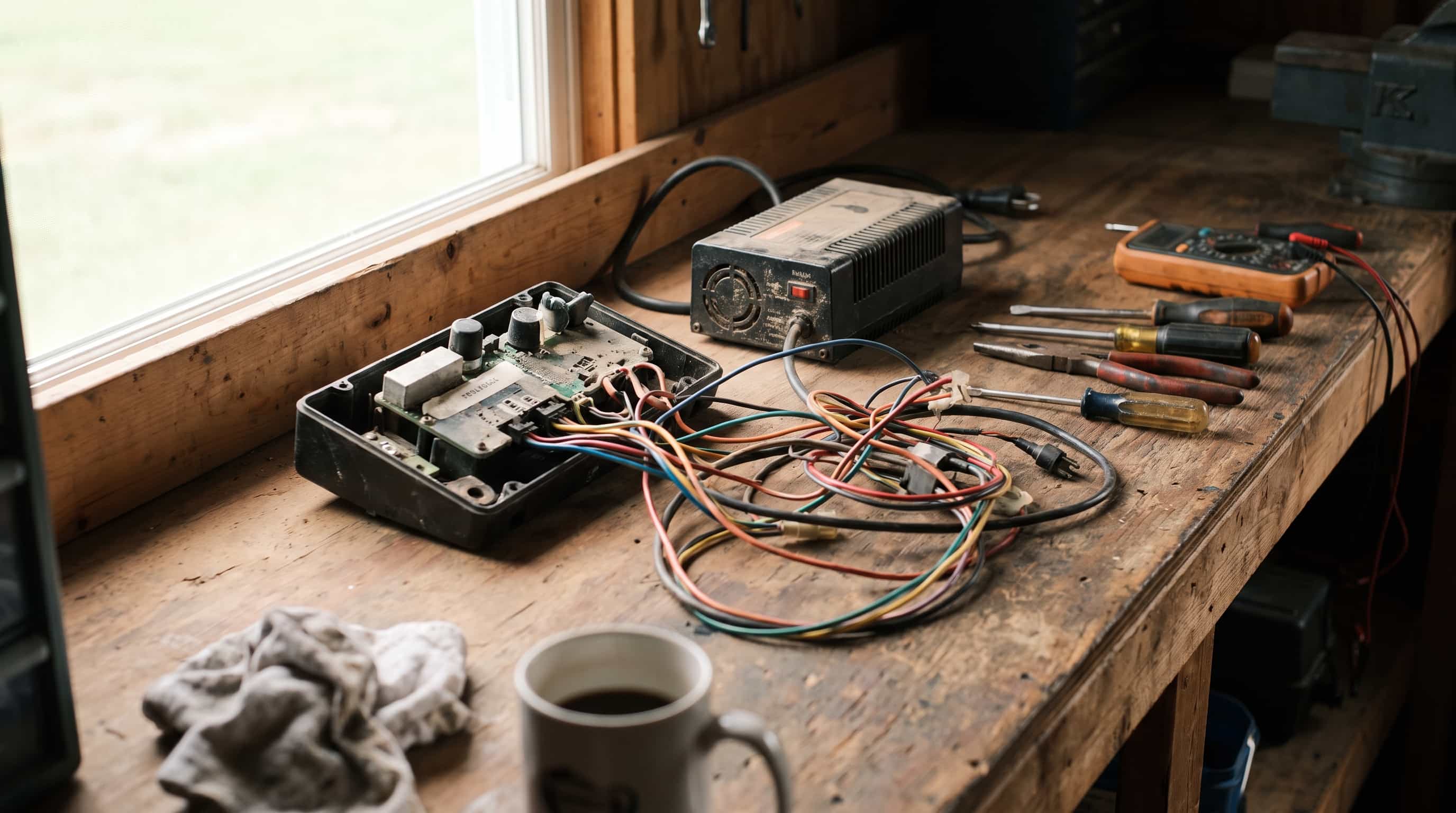 Golf buggy makes explained: who builds what10 minute read
- Re-shelled buggies and body kits explained10 minute read
 Golf buggy manuals and where to find them10 minute read
 Golf buggy depreciation, what holds value5 minute read
 What affects used golf buggy prices6 minute read
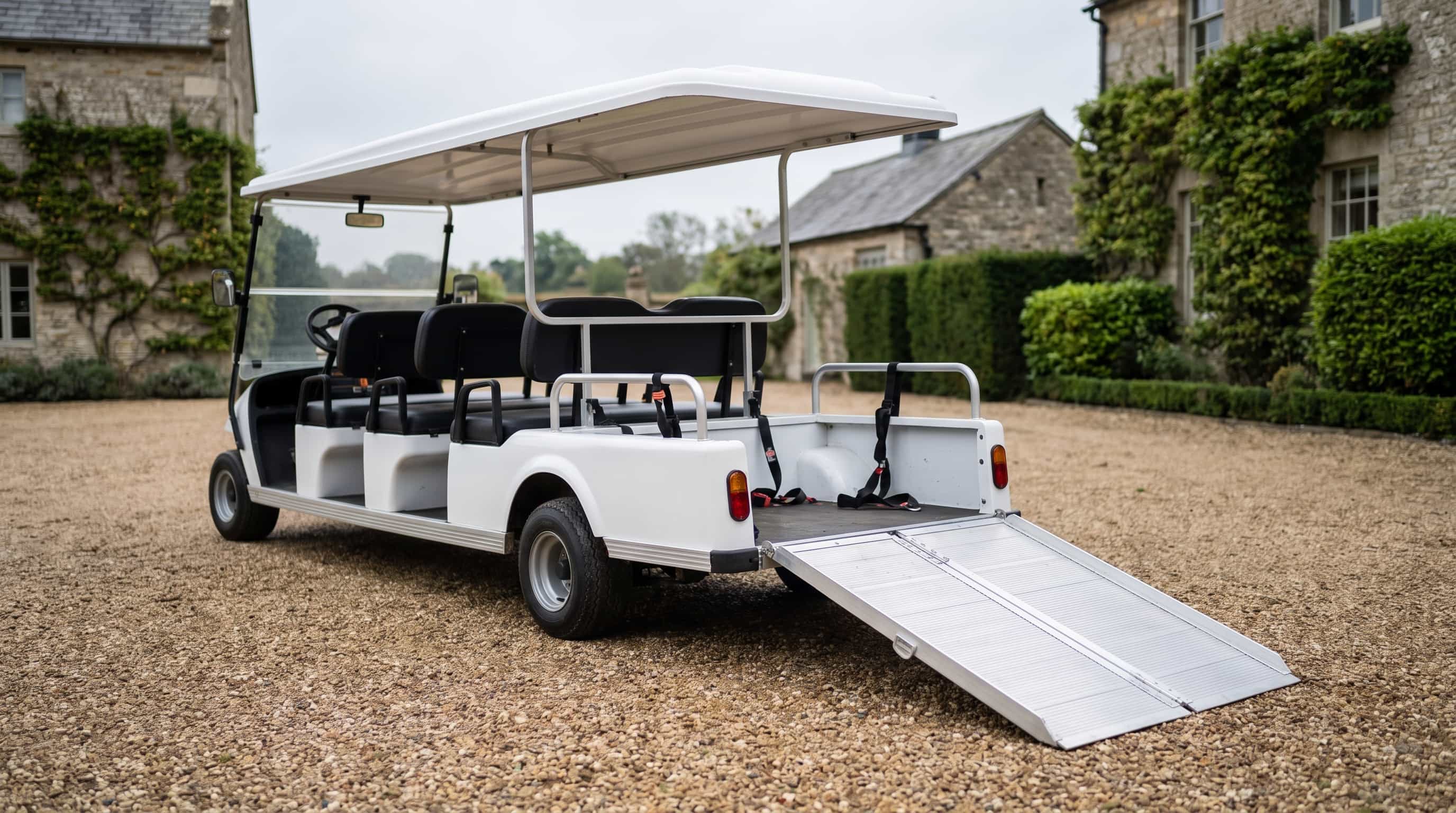 What a golf buggy service history should show10 minute read