How to top up lead-acid battery water, step by step
By James Brown · Updated 21 July 2026 · 5 minute read
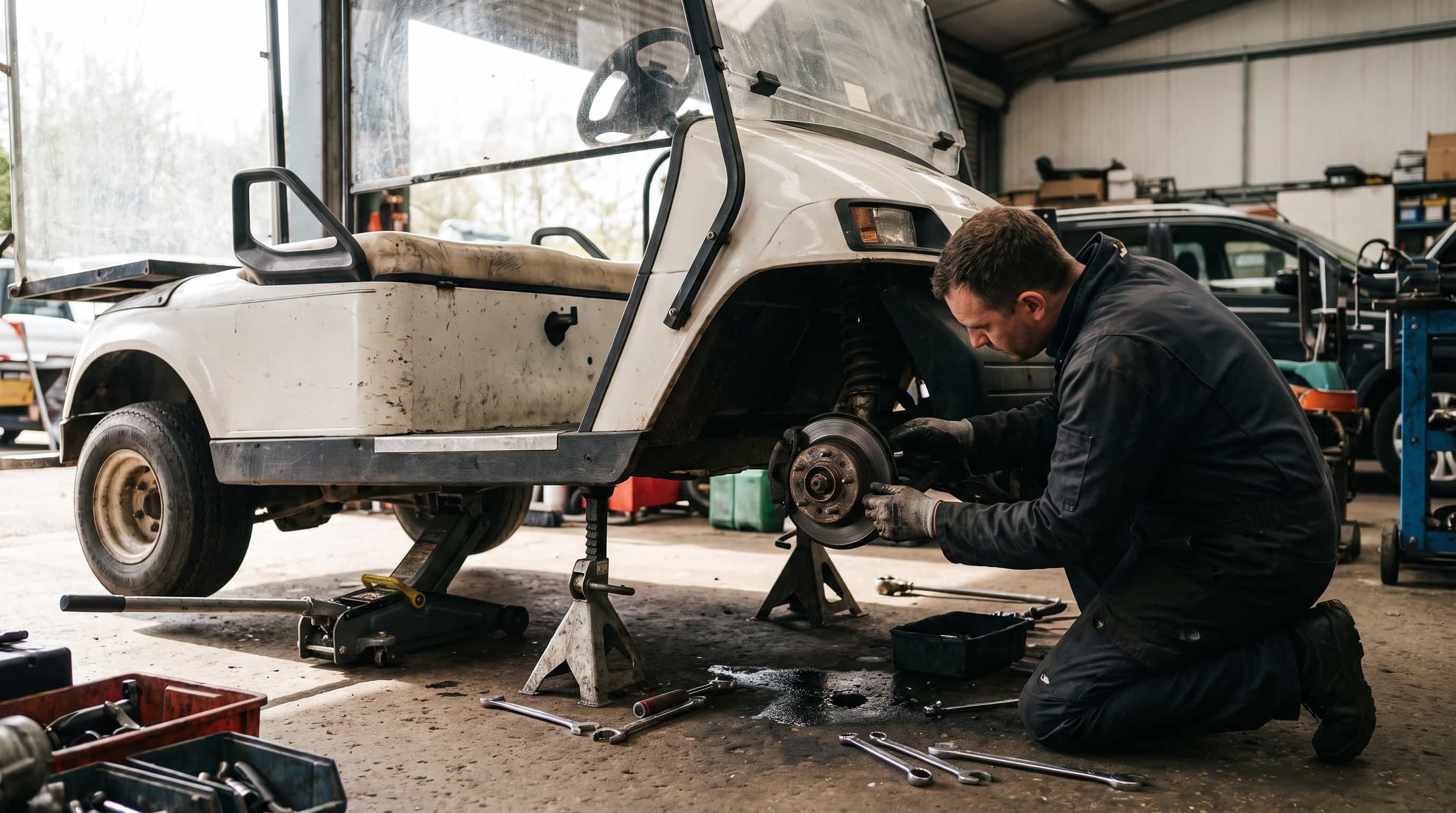
Topping up flooded lead-acid batteries keeps the set alive. Do it after charging, with eye protection on, using distilled water only. Open each cell, check the level, and fill to just above the plates or the maker's mark, never to the brim. This is only for flooded lead-acid, never sealed or lithium, and a damaged battery is a stop-now.
Key takeaways
- Only flooded lead-acid batteries are watered, never sealed lead-acid or lithium.
- Use distilled or deionised water only, never tap water.
- Top up after charging, since the level rises on charge and you can overfill before.
- Fill to just above the plates or the maker's mark, never to the brim.
- Wear eye protection, since the electrolyte is acid. Stop for a damaged battery.
Check this is the right job first
Watering is only for flooded, that is fillable, lead-acid batteries, the ones with cell caps you can open. It must not be done to sealed lead-acid or to lithium, which are not watered at all. So before anything, confirm from the maker's plate or manual that your set is flooded lead-acid. If it is sealed or lithium, this guide does not apply and there is nothing to top up.
What you need, and the safety
You need distilled or deionised water, never tap water, since tap water contaminates the cells. Have eye protection on and gloves for the electrolyte, and work in a ventilated space away from flames and sparks, because a battery gives off flammable gas. Remove metal jewellery. And the firm rule throughout: if any battery is swollen, cracked, leaking or hot, stop, because that is a damaged battery for a competent person, not a watering job.
Step by step
1. Charge the set fully first, then do the watering, because the electrolyte level rises during charging and topping up beforehand can overfill and spill acid. 2. With eye protection on and the buggy off, open the cell caps, keeping them and the battery tops clean so no dirt drops into the cells. 3. Look into each cell and check the level. The plates should be covered; a cell where the tops of the plates are exposed is low and needs topping. 4. Add distilled water slowly to bring the level to just above the plates, or to the maker's fill indicator if the battery has one. Do not fill to the brim, since an overfull cell spills acid when charging. 5. Work through every cell, checking and topping each to the same correct level, so the set is even. 6. Refit the caps firmly, wipe up any spillage, and wipe the battery tops clean and dry, since a wet, acidy top corrodes and can leak current. If any acid contacted skin, flush with plenty of water; for eyes, flush thoroughly and get medical help.
If yours is doing this and the checks here have not settled it, we diagnose and repair buggies, including a callout to wherever it is.
How often
How fast a set uses water depends on use, charging and heat, faster in hot weather and with heavy use, so rather than a fixed schedule, check regularly until you learn your set's rate, then settle into a rhythm that never lets a cell run low. A single-point watering system, covered in its own guide, makes this faster and more consistent on a bigger set or a fleet.
When to stop and get help
Stop for any battery that is swollen, cracked, leaking or hot: a hazard, not a watering job. If a set has been run dry so the plates were exposed and damaged, watering will not undo that damage, and the set may need assessing or replacing, which is a battery-health question for the relevant guides or an engineer. Watering itself, done to a sound flooded set, is squarely an owner job.
Common questions
- What water do I use
- Distilled or deionised water only. Tap water contains minerals that contaminate the cells and shorten the set's life. Keep a container of distilled water with your charging kit so you are never tempted to use tap water in a hurry. Using the wrong water is a false economy that harms the batteries.
- Do I fill before or after charging
- After charging. The electrolyte level rises during a charge, so filling to the mark beforehand can overflow once charged, spilling acid over the battery top. Charge first, then top each cell to just above the plates or the maker's indicator, and never to the brim.
- My batteries are sealed or lithium, do I still water them
- No. Only flooded, fillable lead-acid batteries are watered. Sealed lead-acid and lithium are not topped up at all, and trying to would be wrong. Check the maker's plate or manual if you are unsure which you have, since it changes the maintenance entirely.
Still not right
We diagnose and repair golf buggies, service them on a plan, and send an engineer out to where the buggy is. Tell us the symptom and we will say what it usually means.
Related pages
Related guides
 Golf buggy troubleshooting, a complete guide9 minute read
 Golf buggy brakes squeak or drag4 minute read
 Golf buggy shudders or vibrates4 minute read
 Battery watering and maintenance (lead-acid)6 minute read
 Golf buggy battery safety, acid, gas and handling5 minute read
- Golf buggy single-point battery watering systems4 minute read