Extending the life of an electric buggy
By James Brown · Updated 21 July 2026 · 6 minute read
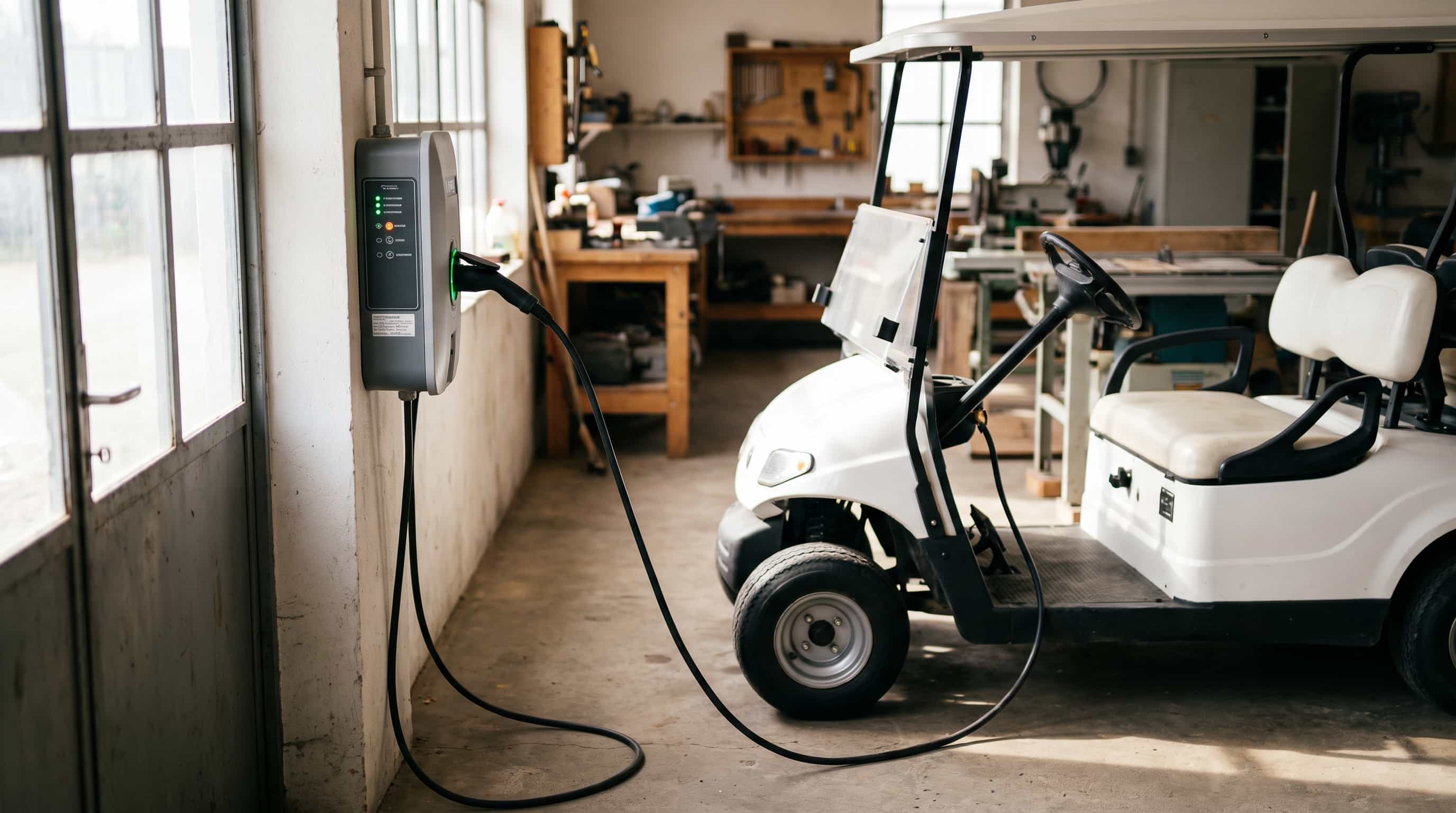
An electric buggy lasts longest when the batteries are cared for, it is charged sensibly, kept clean and dry, not overloaded, and small faults are dealt with before they grow. Batteries are the part most owners kill early through neglect, so battery care does the most. None of it is difficult; it is a set of dull habits that quietly add years.
Key takeaways
- Battery care does the most for buggy life, since batteries are what neglect kills first.
- Charge after use and never leave a set flat, especially over winter.
- Keep the buggy clean and dry, since trapped damp causes the corrosion behind many faults.
- Do not overload it; persistent overloading wears the batteries and drivetrain hard.
- Deal with small faults early, before a click becomes a clunk and a cheap fix becomes a big one.
Batteries first, because they die first
If you want an electric buggy to last, start where it usually fails: the batteries. They are the most expensive part and the one owners most often kill before their time, almost always through neglect rather than fault. The habits that keep a set alive are simple and covered across the battery guides: charge after use rather than only when nearly empty, never leave a set standing flat, and for lead-acid, keep the water topped with distilled water and the terminals clean. Above all, do not let a set sit discharged over winter, which is the single most common way owners turn a good set into a dead one. Get the battery care right and you have addressed the largest cost and the commonest early death in one go.
Charge sensibly
Charging habits matter beyond just doing it. A modern charger with the right profile for your set can be trusted to charge and hold it correctly, so use the right charger and let it do its job. Avoid the extremes that shorten life: running the set deep flat again and again, and, with the wrong charger, overcharging a set by leaving it pushing current for weeks. If the buggy will stand, keep the charge maintained rather than letting it sink, using a charger suited to being left connected. Sensible charging is not fussy; it is mostly about charging after use, using the right charger, and not leaving the set to go flat.
Keep it clean, dry and unstressed
The rest is about not wearing the buggy out faster than you need to. Keeping it clean and, crucially, dry prevents the corrosion that causes so many electrical faults on an outdoor machine, so wash it sensibly and dry it before storing, without blasting water into the electrics. Not overloading it matters more than owners think: every buggy has a rated capacity, and persistently carrying too many people or too much weight works the batteries and drivetrain hard, slows it, and shortens the life of the parts doing the work. And giving it a reasonable life, sensible ground, sensible speeds, not constant abuse over the roughest terrain, spares the suspension, steering and tyres a lot of premature wear.
If yours is doing this and the checks here have not settled it, we diagnose and repair buggies, including a callout to wherever it is.
Catch the small things early
The final habit is the cheapest and the most neglected: deal with small faults while they are small. A buggy tells you when something is starting, a new squeak, a click, a soft tyre, a light that flickers, and the owner who attends to those early spends little, while the one who drives on until the squeak is a grind and the click is a clunk spends a lot and loses the buggy for longer. A regular service, matched to how hard the buggy works, is the formal version of this, and it is where a competent eye catches the developing wear you would miss. Put simply, an electric buggy lasts because someone kept up the dull habits, and it dies young because someone did not.
Common questions
- What is the most important thing for making a buggy last
- Battery care, because the batteries are the most expensive part and the one most often killed early by neglect. Charge after use, never leave the set flat, especially over winter, and for lead-acid keep the water and terminals maintained. Get that right and you have addressed the largest cost and the commonest early death.
- Does overloading really shorten a buggy's life
- Yes. Every buggy has a rated capacity, and persistently carrying too many people or too much weight works the batteries and drivetrain hard, slows the buggy, and wears the parts doing the work faster. Staying within the rating is a simple way to avoid premature wear, and it also keeps the buggy safer and better to drive.
- How does dealing with small faults early help
- Because small faults grow, and they grow expensive. A squeak becomes a grind, a click becomes a clunk, a soft tyre becomes uneven wear or a failure. Attending to the early sign is cheap and keeps the buggy in use; driving on until it fails costs more and loses you the buggy for longer. A regular service is the organised version of catching these early.
Still not right
We diagnose and repair golf buggies, service them on a plan, and send an engineer out to where the buggy is. Tell us the symptom and we will say what it usually means.
Related pages
Related guides
 Golf buggy troubleshooting, a complete guide9 minute read
 Golf buggy display or gauge not working4 minute read
 Golf buggy charger profiles and algorithms explained4 minute read
- Battery watering and maintenance (lead-acid)6 minute read
 Servicing schedule, what and when6 minute read
- Cleaning and caring for bodywork and seats5 minute read