Utility vehicles
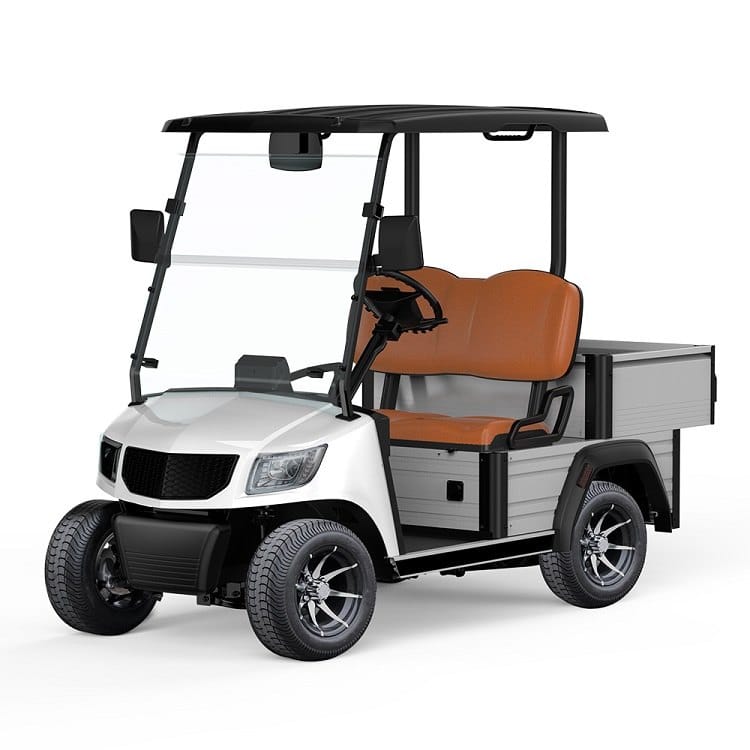
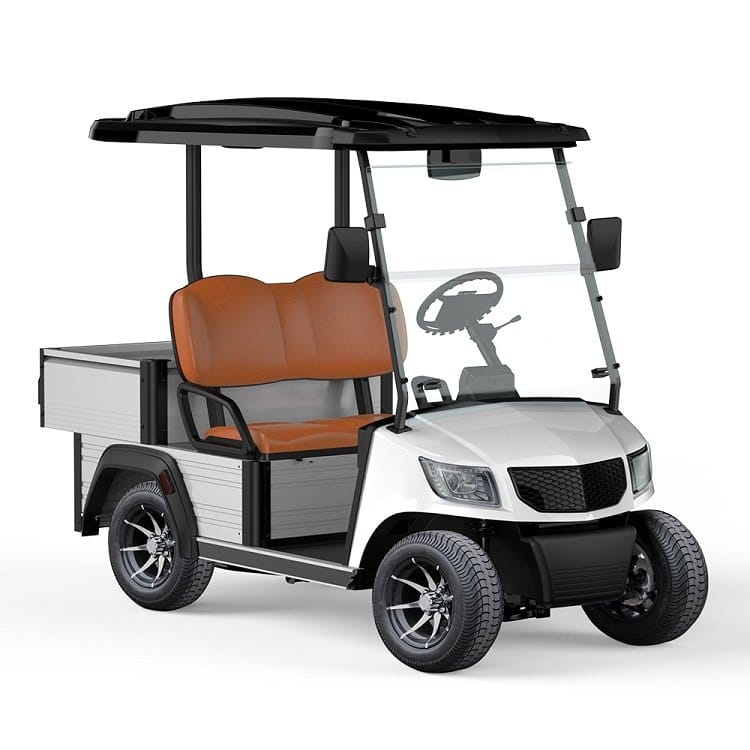
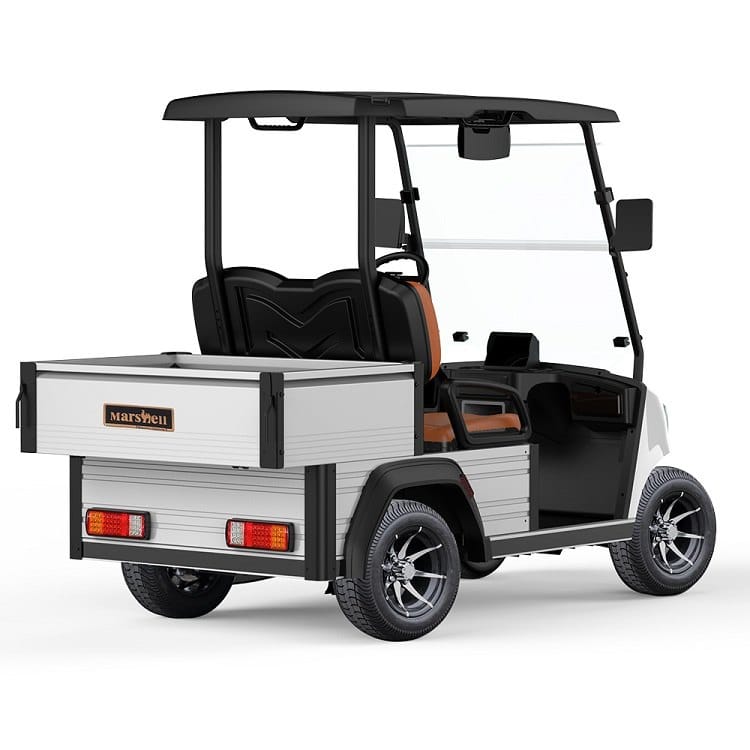
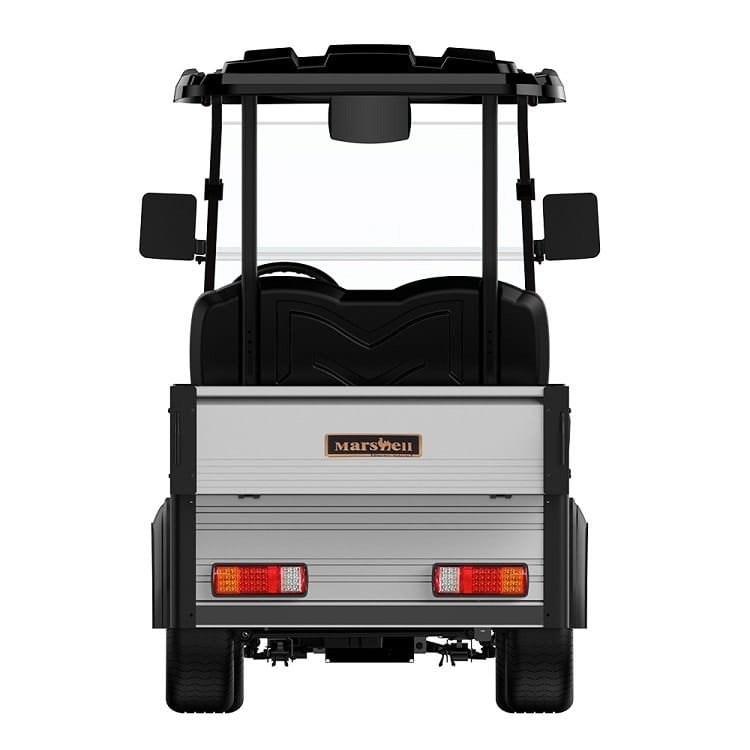
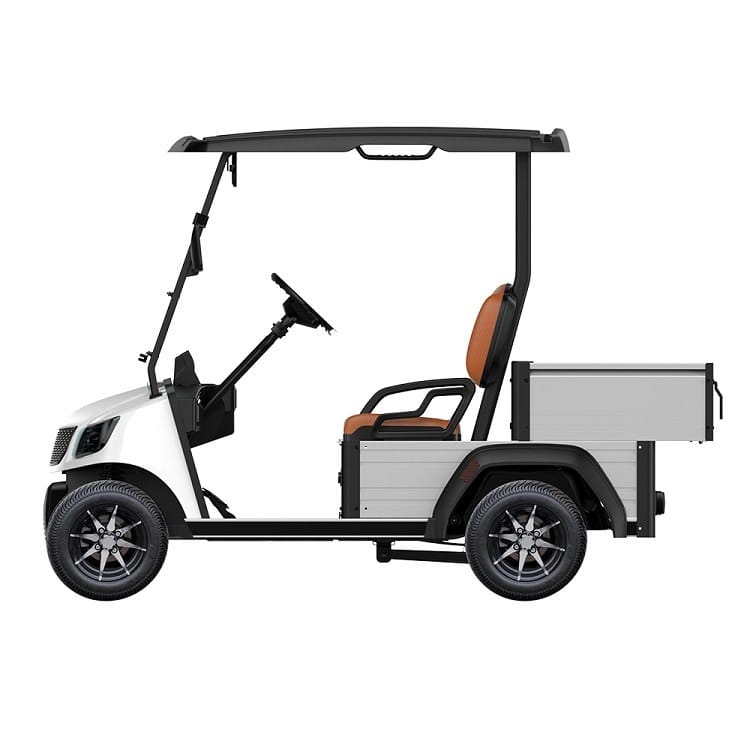
Utility Vehicle Short Bed
electric utility vehicle with a 500 kg hydraulic tipping bed
This is the short bed utility vehicle: a 1000 x 1150 mm hydraulic tipping bed rated to 500 kg, on a 3.06 m chassis with a lithium battery and a stated 60 km range.
- Bed load
- 500
- Range
- 60
- Top speed
- 28
- Length
- 3.06
kg, tipping
km, about 37 miles
km/h, about 17 mph
metres
Price
Request a quote
The battery, the wheels and the options change the figure enough that a headline price would be wrong for most buyers, so we price the vehicle you actually want, delivery included.
Get a price for this buggyCall 020 3036 2621Specifications are the manufacturer’s own published figures for this model. Range and climbing figures are measured in level, unladen conditions, so treat them as the ceiling rather than the number to plan a hilly site around.
About the Utility Vehicle Short Bed
Five hundred kilograms on a bed that tips hydraulically, which is the figure that separates this from every buggy with a box bolted behind the seats. It runs a lithium battery as standard and a 5 kW AC motor, on a 2050 mm wheelbase.
The short bed is the one to choose when the load is dense rather than bulky and the site has corners. It turns in 4.5 m against the long bed's identical figure but is 740 mm shorter overall, which is most of the difference in practice.
Where a tipping bed earns its keep
- Grounds teams moving soil, gravel, bark and green waste rather than tools
- Estates and farms shifting bagged feed and materials on made tracks
- Sites where the load is shed at the far end rather than unloaded by hand
- Work replacing a buggy and a tipping trailer with one vehicle
What it will not do
- It is a two wheel drive vehicle on a 20% climbing figure. Loaded, on a wet slope, it will find its limit sooner than the number suggests. Four wheel drive is the UTV line.
- The bed is 1000 x 1150 mm. Anything longer than a metre hangs over, and the long bed model exists for exactly that.
- Braking distance is 6 m. With half a tonne aboard, plan stopping distances accordingly.
- The battery is lithium as standard, which is why the range holds at 60 km with this weight, and it is part of why it costs more than a buggy.
Utility Vehicle Short Bed specification
The full figures for this model, as published by the manufacturer. Where a figure is not published we leave the row out rather than estimate it.
Performance
- Top speed
- 25 to 28 km/habout 16 to 17 mph
- Range on a charge
- 60 kmabout 37 miles, as stated by the manufacturer
- Climbing capacity
- 20%
- Braking distance
- 6 m
- Turning radius
- 4.5 m
Load carrying
- Cargo bed
- 1000 x 1150 x 310 mm
- Payload
- 500 kg
- Tipping
- Hydraulic
Motor and battery
- Motor
- AC 48V, 5 kW
- Controller
- 48V, 450A
- Battery
- Lithium ion, 51.2V 150Ah
- Charger
- Onboard, 48V 25A
Dimensions
- Length, width, height
- 3060 x 1290 x 2010 mm3.06 m long
- Wheelbase
- 2050 mm
- Track, front and rear
- 960 mm / 1010 mm
Options
Fitted to order. Tell us which you want and they are priced in the quote.
- Foldable acrylic windscreen
- Weather enclosure
- Side mirrors
- Lead acid battery in place of lithium
Questions about the Utility Vehicle Short Bed
- How much does an electric utility vehicle carry?
- This one carries 500 kg on a bed measuring 1000 x 1150 x 310 mm, and it tips hydraulically. That is five times what a lifted buggy with a cargo box manages.
- Short bed or long bed?
- Both carry 500 kg. The long bed is 1800 mm rather than 1000 mm, on a 380 mm longer wheelbase and 740 mm more overall length. Choose by the shape of the load, not the weight of it.
- Is it four wheel drive?
- No, two wheel drive with a stated 20% climbing capacity. If the ground is genuinely rough or steep with a load on, the UTV line is four wheel drive and built for it.
- How much does it cost?
- We price to specification rather than publish a figure, and the battery choice moves it. Tell us the load and the ground and we will quote the vehicle, the delivery and the lead time together.
Other models to compare
Utility vehicles
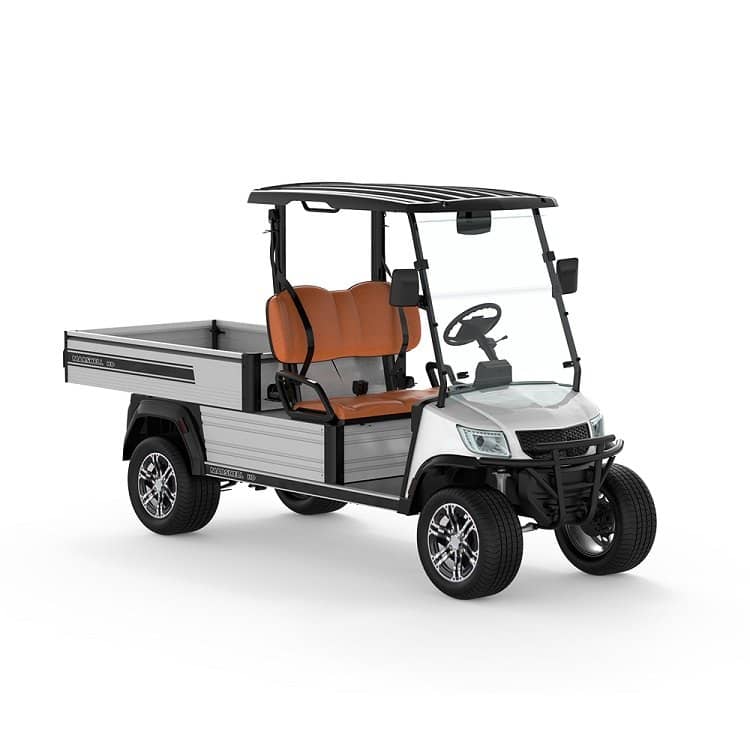
Utility Vehicle Long Bed
electric utility vehicle with a 1.8 m hydraulic tipping bed
- Seats
- 2
- Stated range
- 60 km
Specification and quote
Utility vehicles
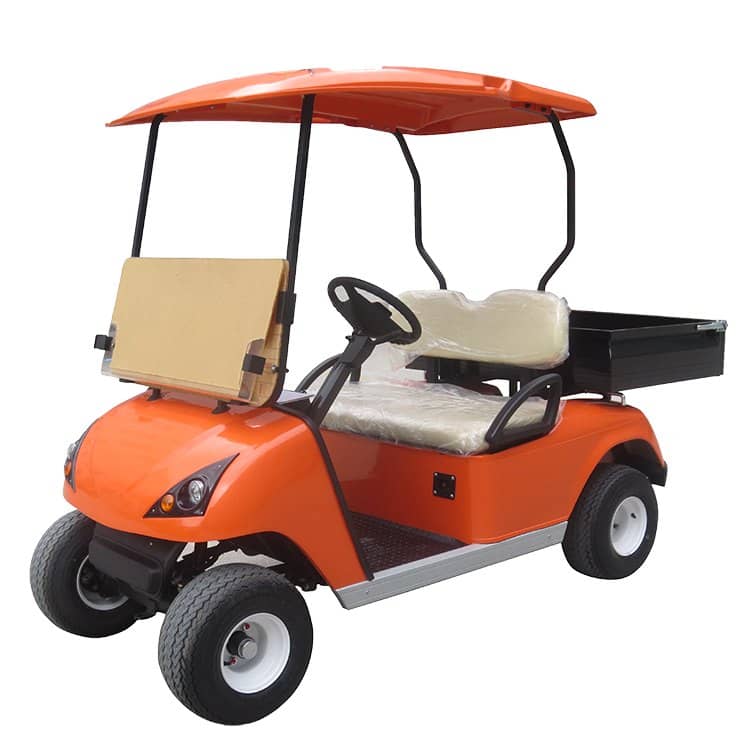
2 Seater Utility Vehicle
2 seater electric utility vehicle with a tipping cargo bed
- Seats
- 2
- Stated range
- 80 km
Specification and quote
UTV
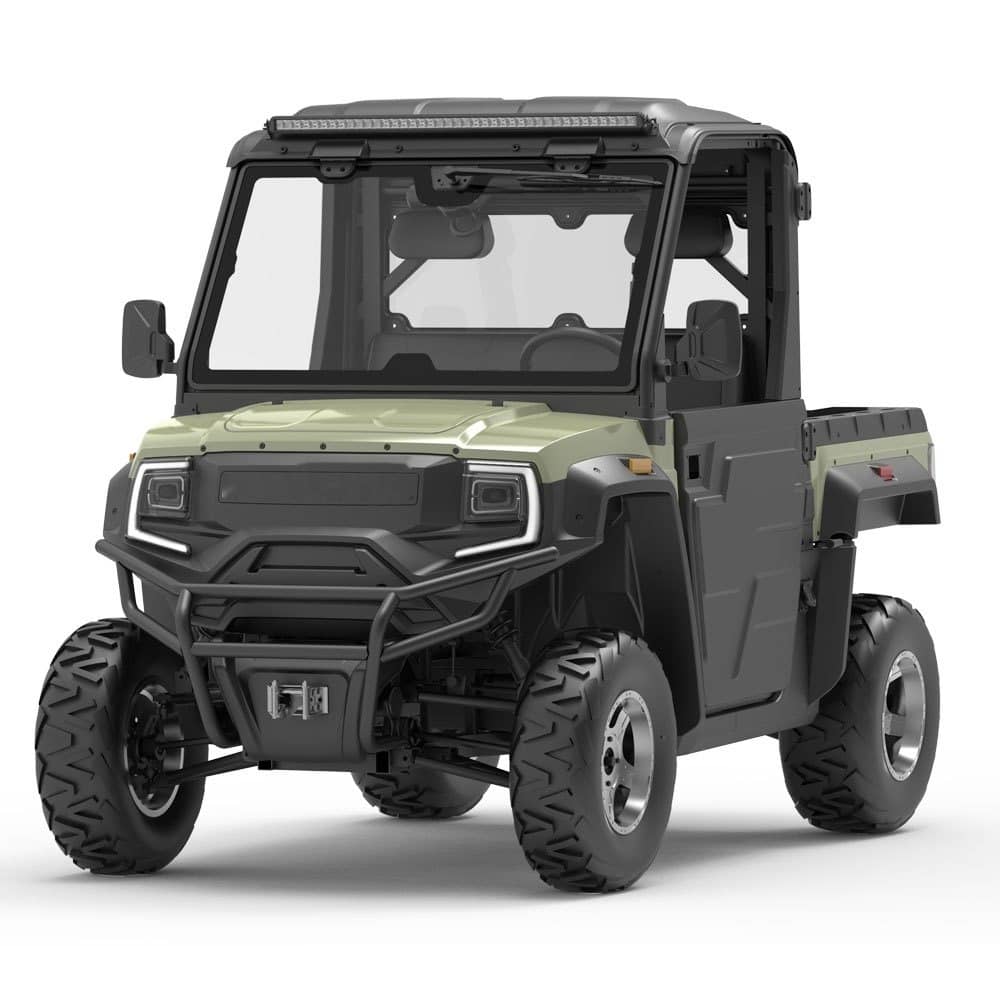
2 Seater UTV
2 seater electric 4WD utility vehicle with a tipping bed
- Seats
- 2
Specification and quote
Not sure whether to buy or hire
As a rule, buying wins if you would use it more than a few weeks a year or need it available without arranging anything. Below that, hiring usually costs less and takes the maintenance off you. The calculator works it through on your own numbers rather than ours.