Utility vehicles
2 Seater Utility Vehicle
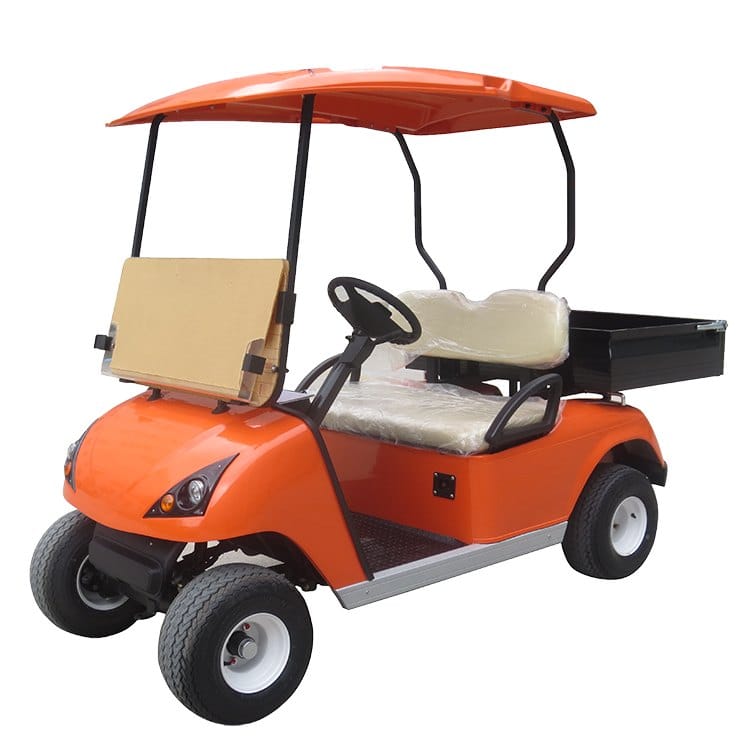
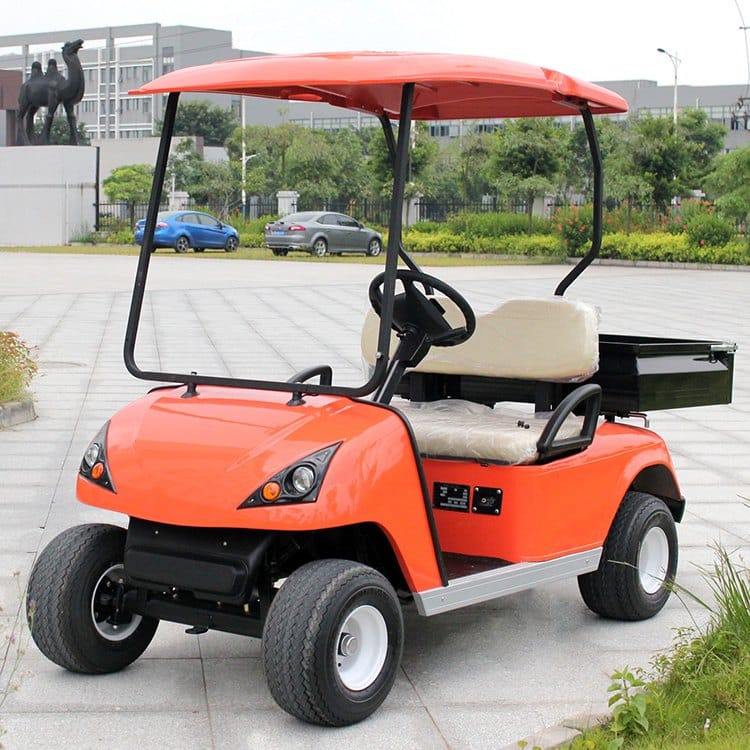
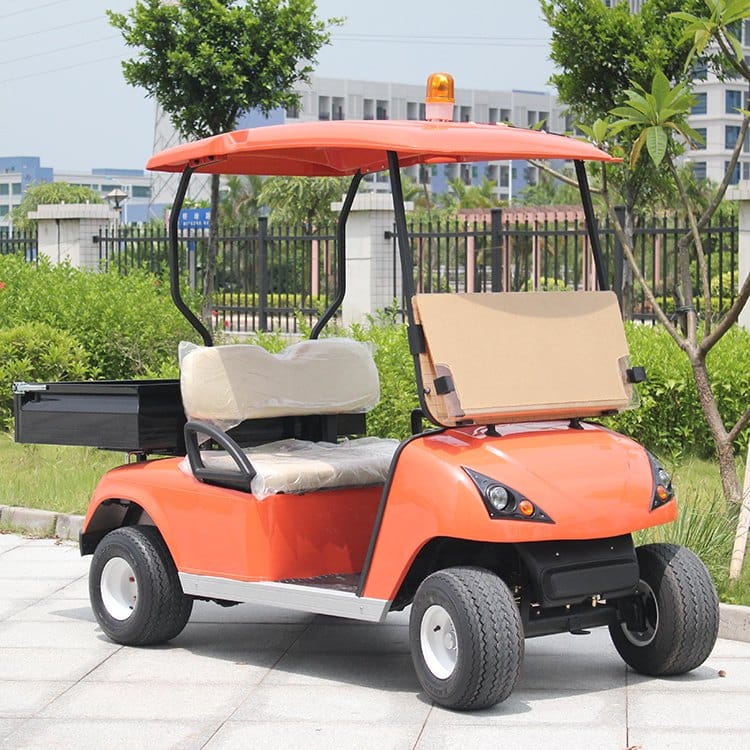
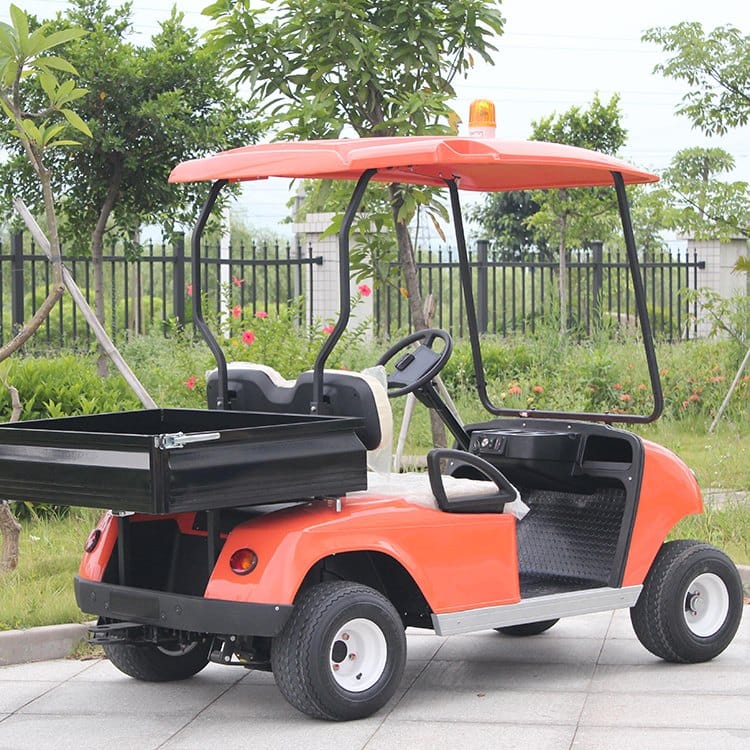
2 seater electric utility vehicle with a tipping cargo bed
This is the compact utility vehicle: two seats, a 200 kg cargo bed, 360 kg total carrying capacity and a stated 80 km range, which is the longest in the utility line.
- Seats
- 2
- Bed load
- 200
- Range
- 80
- Climbs
- 30
kg
km, about 50 miles
per cent gradient
Price
Request a quote
The battery, the wheels and the options change the figure enough that a headline price would be wrong for most buyers, so we price the vehicle you actually want, delivery included.
Get a price for this buggyCall 020 3036 2621Specifications are the manufacturer’s own published figures for this model. Range and climbing figures are measured in level, unladen conditions, so treat them as the ceiling rather than the number to plan a hilly site around.
About the 2 Seater Utility Vehicle
The smallest thing here that is genuinely a utility vehicle rather than a buggy with a box. It carries 200 kg in an 800 x 1100 mm bed and 360 kg all told, on a 2.64 m chassis that parks where a buggy parks.
It also holds the best range and climbing figures in the utility line, at 80 km and 30%, because it is the lightest. What it does not have is a hydraulic tip or the payload of the bigger beds: this is a vehicle for frequent light loads rather than occasional heavy ones.
Where the small utility earns its keep
- Hotels and venues moving linen, bins and kit along made paths all day
- Greenkeeping rounds where the load is tools rather than materials
- Sites with tight storage, where a full size utility will not fit
- Work with gradients, since 30% is the best climbing figure in this line
What it will not do
- The bed is rated to 200 kg and does not tip. If the load has to be shed rather than lifted out, the short and long bed models tip hydraulically at 500 kg.
- Ground clearance is 100 mm, the lowest in the catalogue. This is a made-surface vehicle and it will ground on ruts.
- It runs a DC 48V 3 kW motor rather than the AC 5 kW units the bigger utilities use, and charging takes 9 to 10 hours.
- Turf tyres at 18 x 8.50-8. Fine on grass and tarmac, wrong for a building site.
2 Seater Utility Vehicle specification
The full figures for this model, as published by the manufacturer. Where a figure is not published we leave the row out rather than estimate it.
Performance
- Top speed
- 25 km/habout 16 mph
- Range on a charge
- 80 kmabout 50 miles, as stated by the manufacturer
- Climbing capacity
- 30%
- Charging time
- 9 to 10 hours
Load carrying
- Cargo bed
- 800 x 1100 x 230 mm
- Bed capacity
- 200 kg
- Total carrying capacity
- 360 kg
Motor and battery
- Motor
- DC 48V, 3 kW
- Controller
- DC 48V, 275A
- Battery
- 6 x 8V, 170Ah
- Charger
- 48V 18A, automatic pulse
- Steering
- Rack and pinion
- Brakes
- Rear wheel mechanical drum
Dimensions
- Length, width, height
- 2640 x 1200 x 1860 mm2.64 m long
- Ground clearance
- 100 mm
Wheels
- Tyres
- 18 x 8.50-8, 4 ply
Options
Fitted to order. Tell us which you want and they are priced in the quote.
- Alternative battery set
- Weather enclosure
- Side mirrors
Questions about the 2 Seater Utility Vehicle
- How much will it carry?
- 200 kg in the bed and 360 kg all told, which includes the two people in it. The bed measures 800 x 1100 x 230 mm.
- Does the bed tip?
- No. This one is a fixed bed. If tipping matters, the short and long bed models carry 500 kg on hydraulic tipping beds.
- Can it go on rough ground?
- Not really. Ground clearance is 100 mm on turf tyres, the lowest figure in our catalogue, so it belongs on paths, yards and grass. Rough ground is the lifted range or a UTV.
- How much does it cost?
- We price to specification rather than publish a figure. Tell us what it has to carry and we will quote the vehicle, the delivery and the lead time together.
Other models to compare
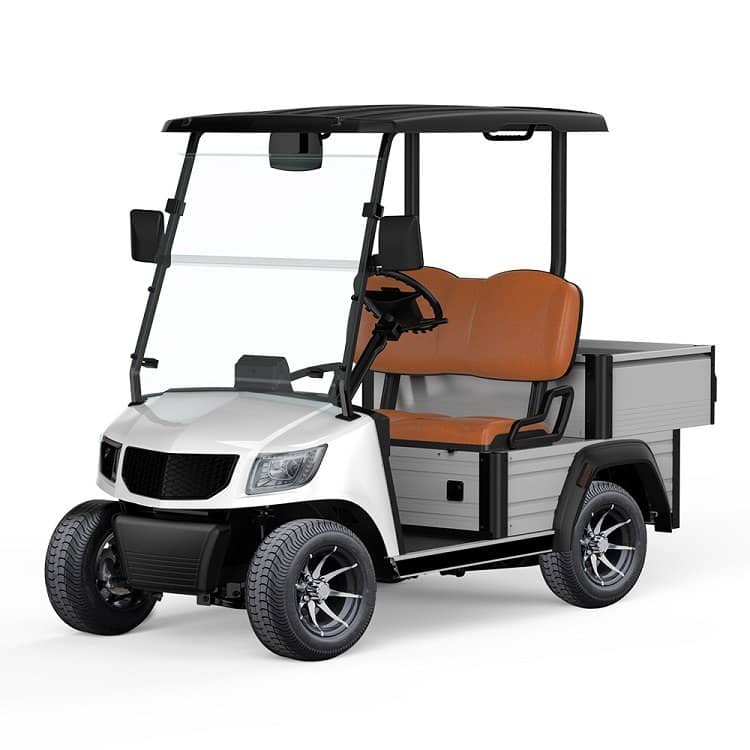
Utility vehicles
Utility Vehicle Short Bed
electric utility vehicle with a 500 kg hydraulic tipping bed
- Seats
- 2
- Stated range
- 60 km
Specification and quote
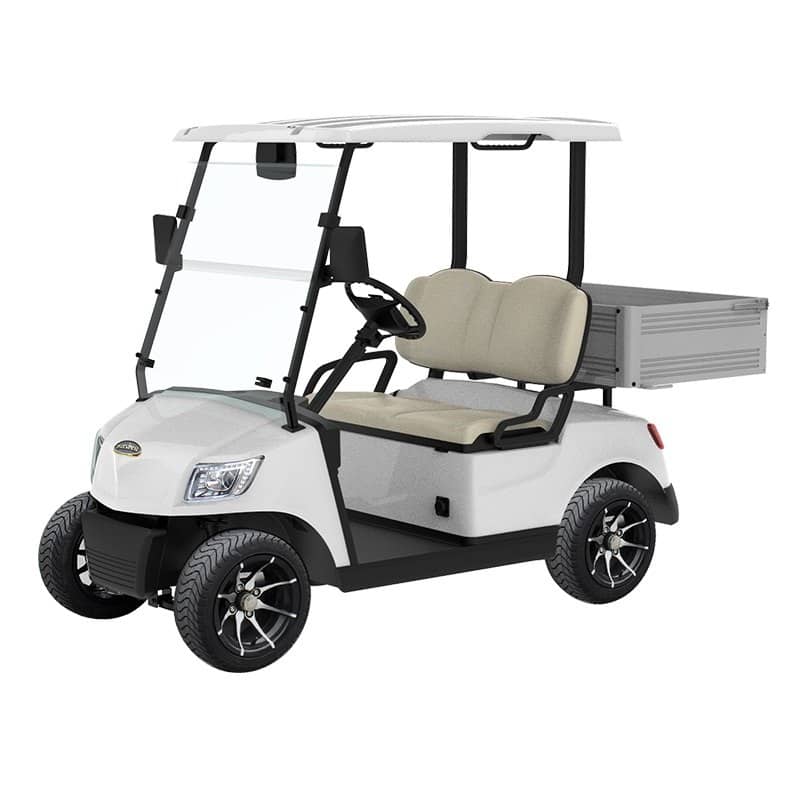
Golf buggies
2 Seater Golf Buggy Cargo
2 seater electric golf buggy with a cargo bed
- Seats
- 2
- Stated range
- 85 km
Specification and quote
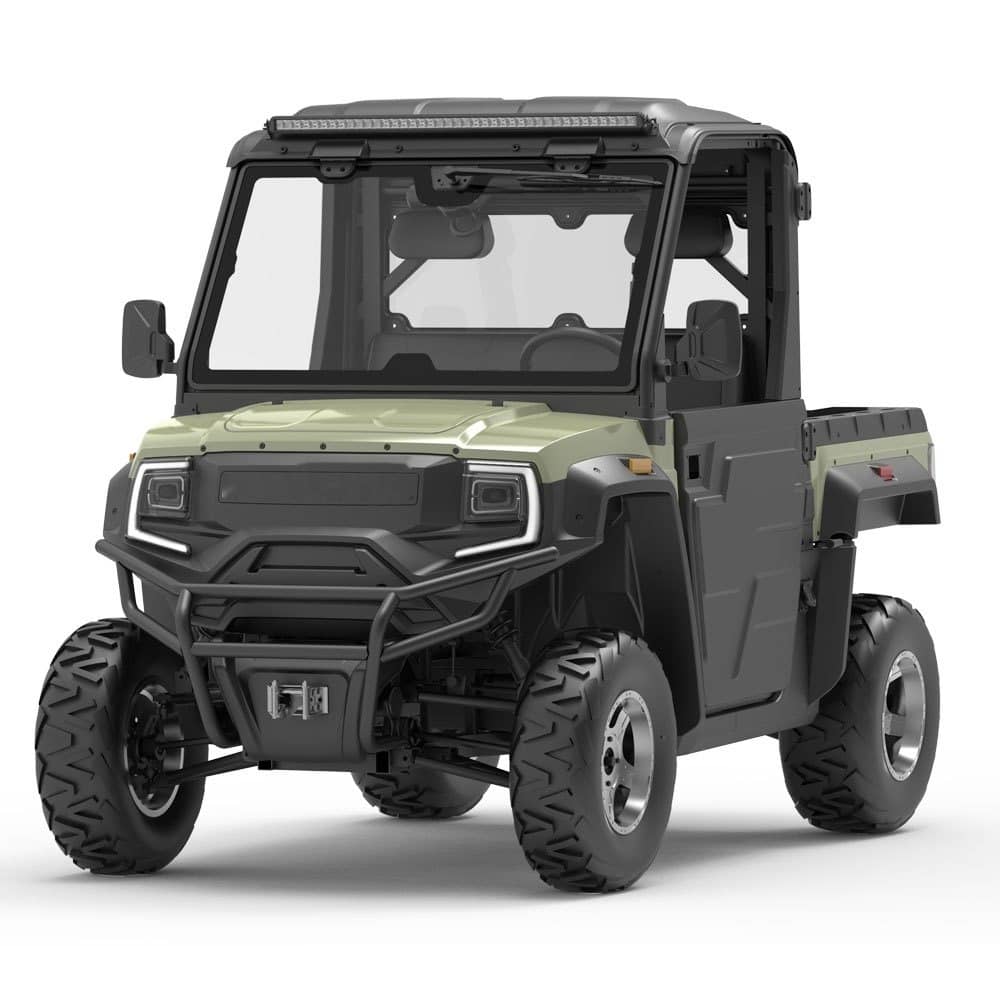
UTV
2 Seater UTV
2 seater electric 4WD utility vehicle with a tipping bed
- Seats
- 2
Specification and quote
Not sure whether to buy or hire
As a rule, buying wins if you would use it more than a few weeks a year or need it available without arranging anything. Below that, hiring usually costs less and takes the maintenance off you. The calculator works it through on your own numbers rather than ours.