Utility vehicles
Refrigerated Utility Vehicle
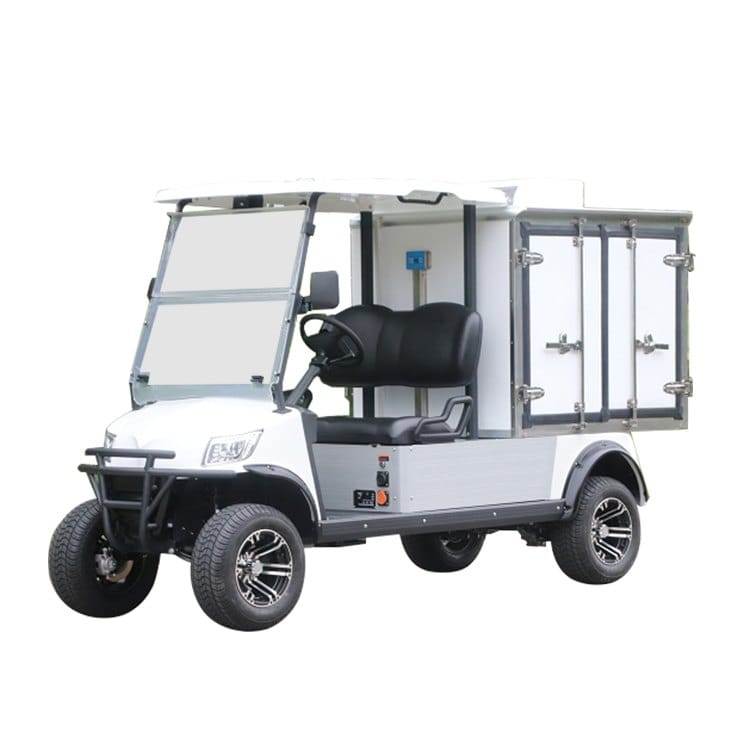
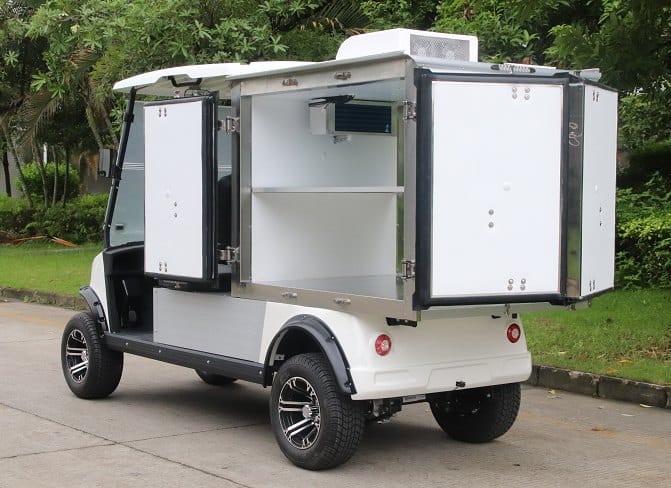
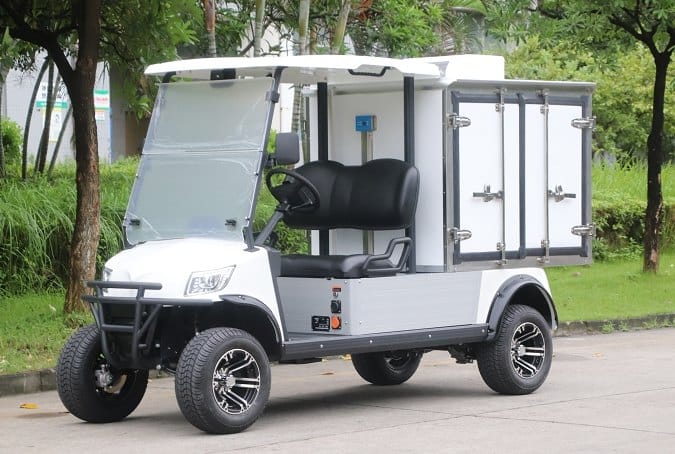
electric utility vehicle with an insulated refrigerated box
This carries an insulated refrigerated box instead of an open bed, on a 3.55 m chassis with a stated 70 km range and a top speed of 25 to 35 km/h.
- Body
- Chilled
- Range
- 70
- Top speed
- 35
- Length
- 3.55
insulated box
km, about 43 miles
km/h, about 22 mph
metres
Price
Request a quote
The battery, the wheels and the options change the figure enough that a headline price would be wrong for most buyers, so we price the vehicle you actually want, delivery included.
Get a price for this buggyCall 020 3036 2621Specifications are the manufacturer’s own published figures for this model. Range and climbing figures are measured in level, unladen conditions, so treat them as the ceiling rather than the number to plan a hilly site around.
About the Refrigerated Utility Vehicle
An insulated box with doors, in place of the open bed the rest of the line carries. It exists for one job: moving chilled food across a site where a van is the wrong vehicle and a cool box on a buggy is not good enough.
It runs an AGM battery set rather than lithium, holds a stated 70 km, and is quicker than the bed models at up to 35 km/h. The braking distance is 4.5 m, shorter than the tipping beds, because it is not carrying half a tonne of loose material.
Where a chilled box earns its keep
- Hotels and resorts moving food between kitchen and outlying restaurants or beach bars
- Holiday parks and campsites with a shop delivering to pitches
- Golf clubs running catering out to a halfway house
- Events and hospitality moving stock across a site without a van
What it will not do
- The manufacturer publishes the box dimensions but no operating temperature range or payload, so we state neither. If either matters, tell us and we will ask them rather than estimate.
- The refrigeration draws from the same battery as the drivetrain, so a hot day of frequent door openings will reduce the 70 km more than the figure suggests.
- It is a made-surface vehicle: this is not a lifted chassis and the box adds height and weight.
- There is no open bed. If you need to carry anything not going in the box, this is the wrong model.
Refrigerated Utility Vehicle specification
The full figures for this model, as published by the manufacturer. Where a figure is not published we leave the row out rather than estimate it.
Performance
- Top speed
- 25 to 35 km/habout 16 to 22 mph
- Range on a charge
- 70 kmabout 43 miles, as stated by the manufacturer
- Braking distance
- 4.5 m
- Turning radius
- 4.5 m
Body
- Insulated box
- 1400 x 1200 x 1100 mminsulated stainless steel, as stated by the manufacturer
Motor and battery
- Motor
- AC 48V, 5 kW
- Controller
- 48V, 450A
- Battery
- 8 x 6V AGM, 225Ah
- Charger
- Onboard, 48V 25A
Dimensions
- Length, width, height
- 3550 x 1280 x 1860 mm3.55 m long
Options
Fitted to order. Tell us which you want and they are priced in the quote.
- Weather enclosure
- Side mirrors
- Alternative battery set
Questions about the Refrigerated Utility Vehicle
- How cold does the box get?
- The manufacturer publishes no operating temperature for it, so we do not quote one. If a specific temperature is a requirement, tell us and we will get it in writing from them before you order.
- How much does the box hold?
- It measures 1400 x 1200 x 1100 mm in insulated stainless steel. No payload figure is published for it, so we state none.
- Does refrigerating it shorten the range?
- Yes. The cooling runs off the same battery as the drivetrain, so a warm day with frequent door openings will take more out of the stated 70 km than driving alone would.
- How much does it cost?
- We price to specification rather than publish a figure. Tell us the route and the load and we will quote the vehicle, the delivery and the lead time together.
Other models to compare
Utility vehicles
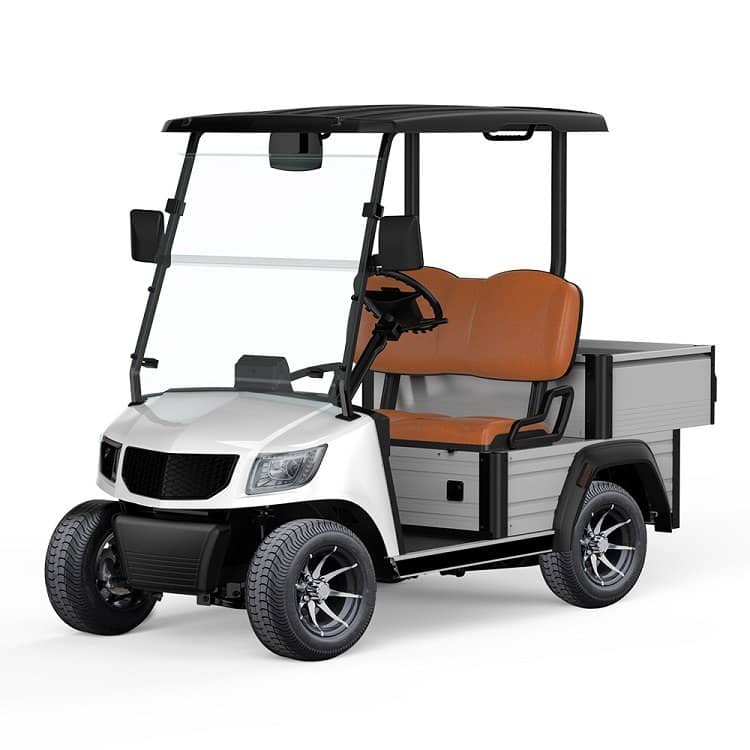
Utility Vehicle Long Bed
electric utility vehicle with a 1.8 m hydraulic tipping bed
- Seats
- 2
- Stated range
- 60 km
Specification and quote
Utility vehicles
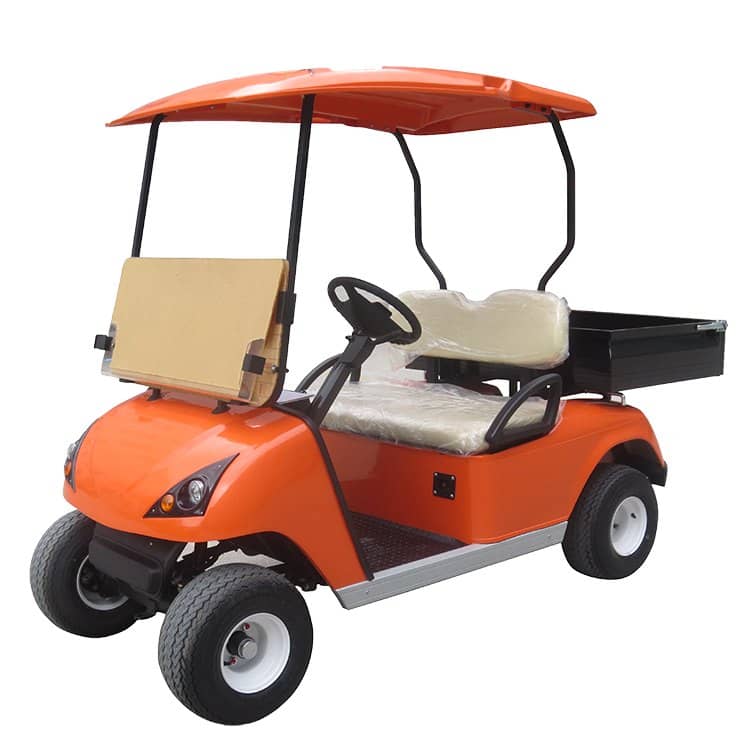
Utility Vehicle Short Bed
electric utility vehicle with a 500 kg hydraulic tipping bed
- Seats
- 2
- Stated range
- 60 km
Specification and quote
Utility vehicles
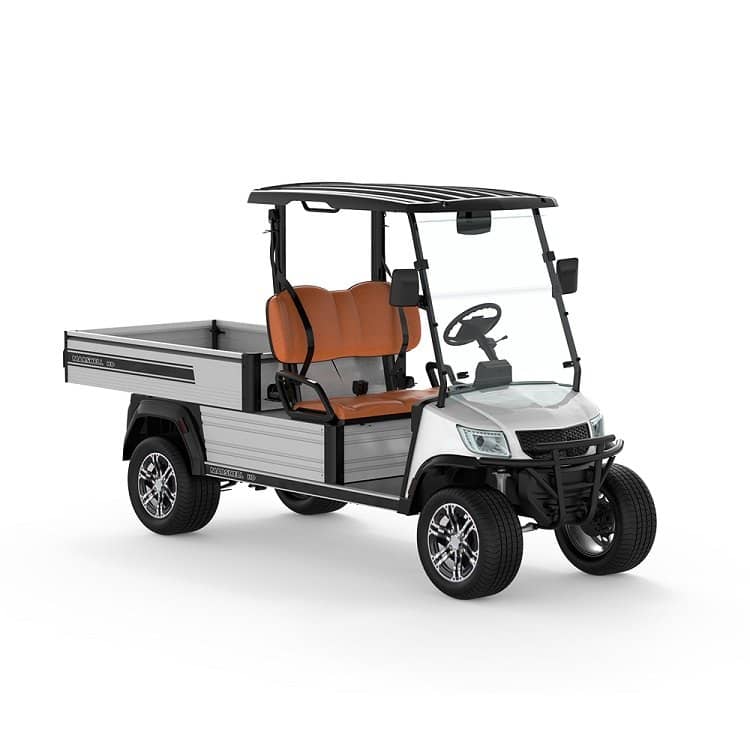
2 Seater Utility Vehicle
2 seater electric utility vehicle with a tipping cargo bed
- Seats
- 2
- Stated range
- 80 km
Specification and quote
Not sure whether to buy or hire
As a rule, buying wins if you would use it more than a few weeks a year or need it available without arranging anything. Below that, hiring usually costs less and takes the maintenance off you. The calculator works it through on your own numbers rather than ours.