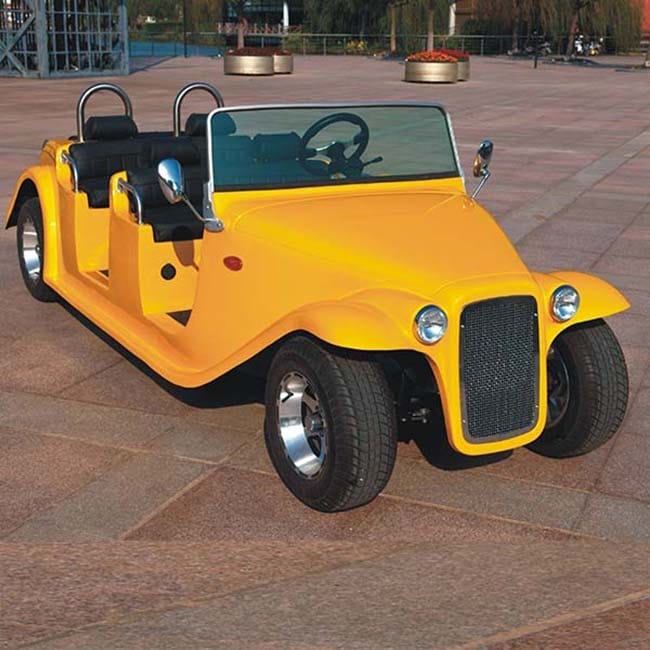
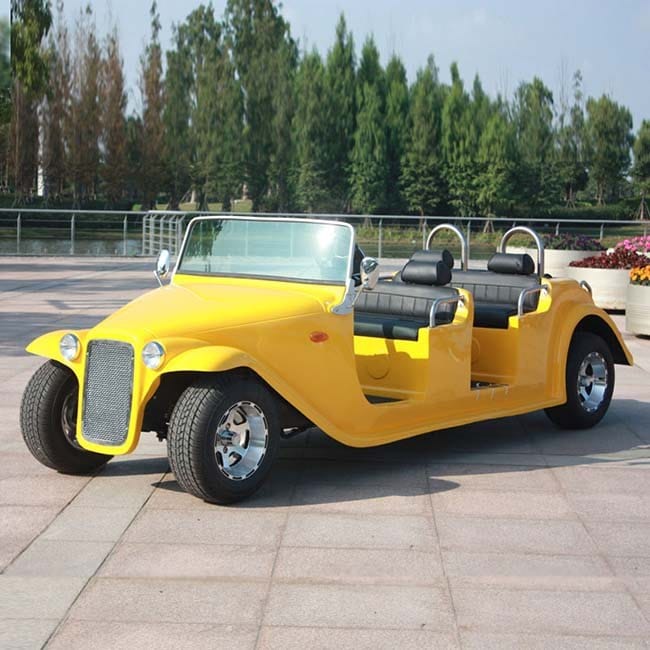
Vintage buggies
6 Seater Vintage Buggy
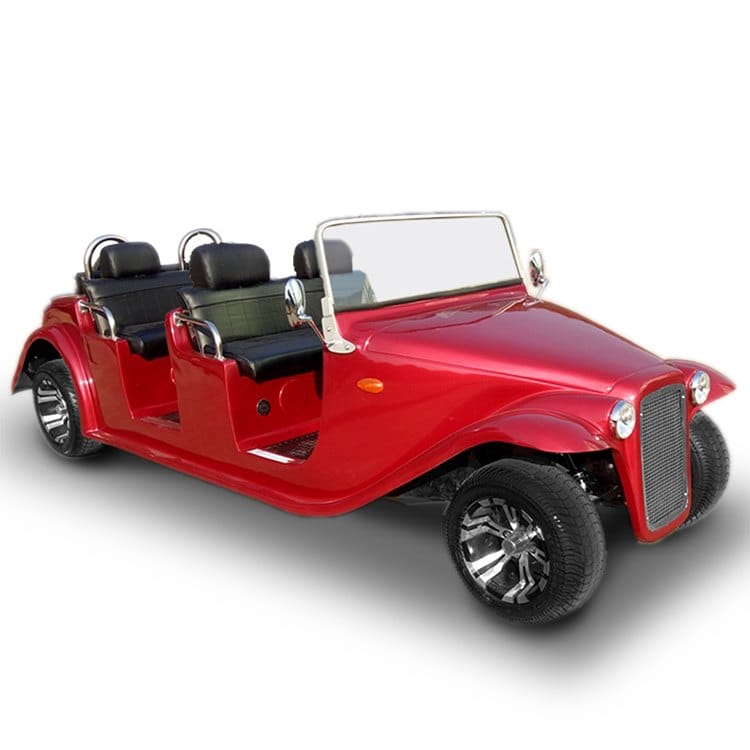
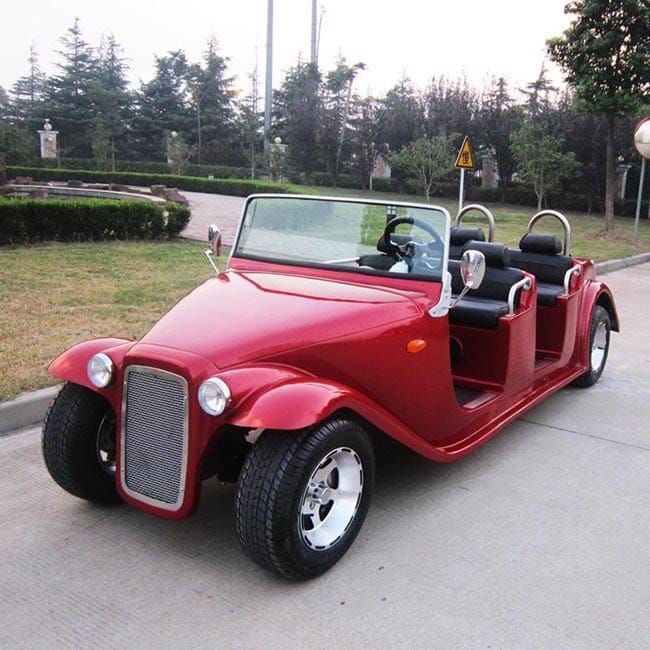
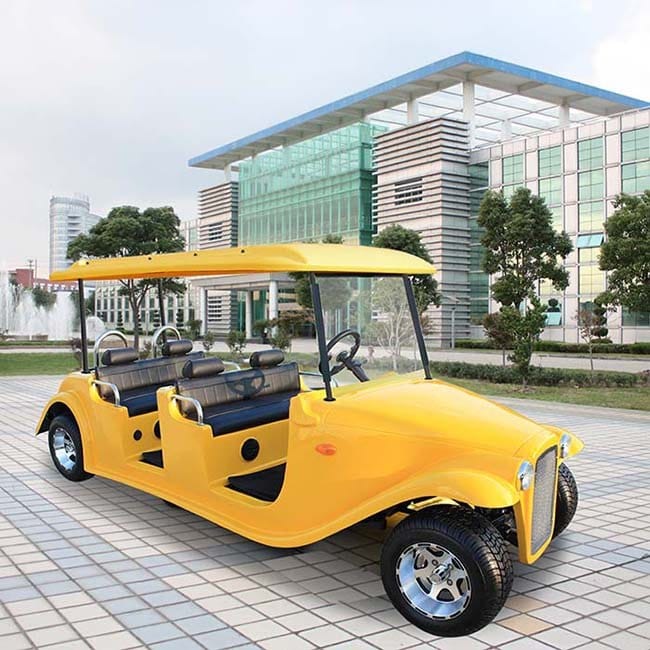
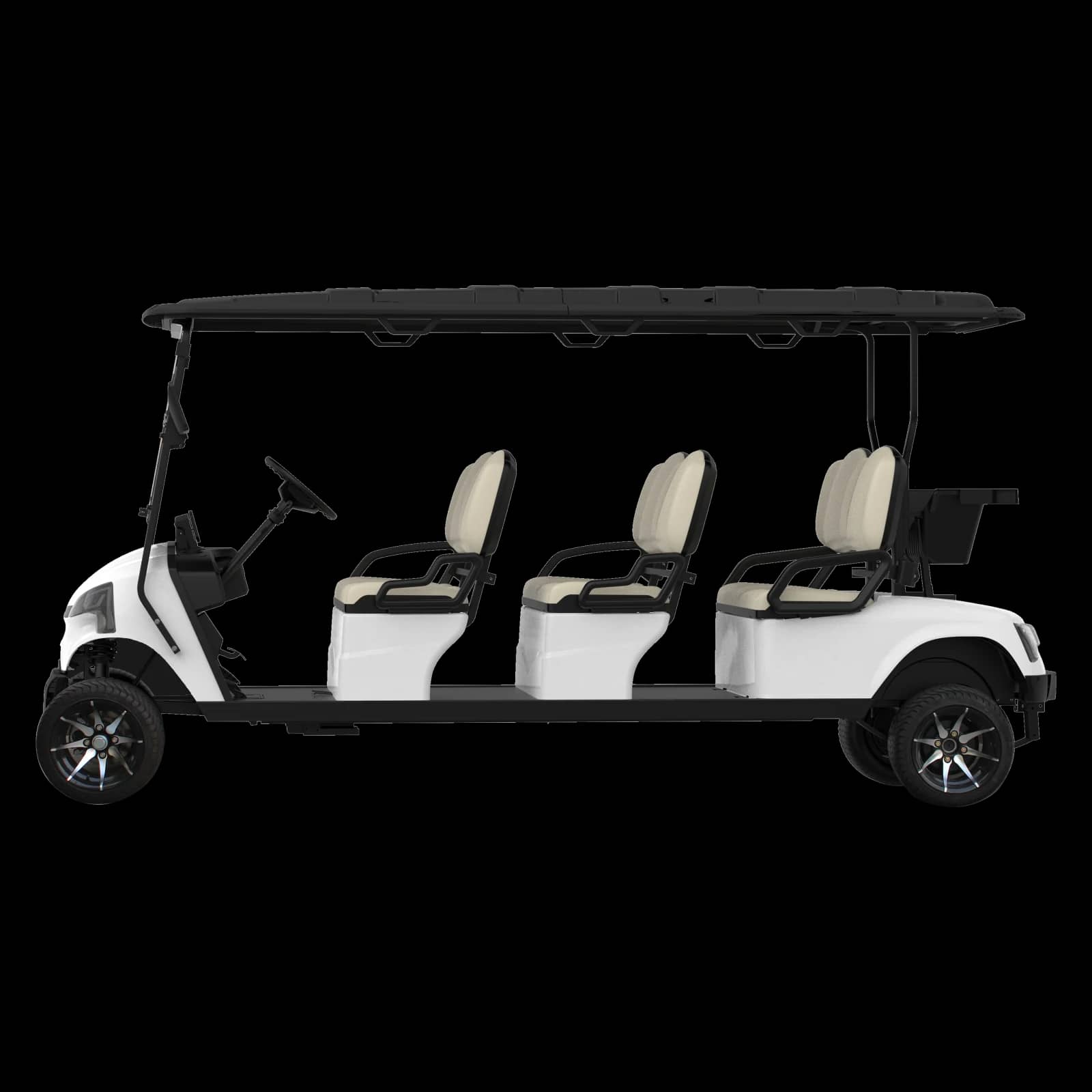
6 seater electric buggy in a 1930s open tourer body
This is the six seat vintage tourer: 3.84 m long, carrying 480 kg against a 670 kg gross weight, with a stated 55 km range and a 28 km/h top speed.
- Seats
- 6
- Carries
- 480
- Range
- 55
- Top speed
- 28
kg
km, about 34 miles
km/h, about 17 mph
Price
Request a quote
The battery, the wheels and the options change the figure enough that a headline price would be wrong for most buyers, so we price the vehicle you actually want, delivery included.
Get a price for this buggyCall 020 3036 2621Specifications are the manufacturer’s own published figures for this model. Range and climbing figures are measured in level, unladen conditions, so treat them as the ceiling rather than the number to plan a hilly site around.
About the 6 Seater Vintage Buggy
Three rows in the same 1930s body, at 3.84 m rather than the four seater's 3.14 m. Carrying capacity rises to 480 kg and the motor steps up from 4 kW to 5 kW to move it.
The figures that fall are range and climbing, at 55 km and 15%. This is the vintage size that most often ends up on a flat hotel or vineyard route, where the extra pair of seats matters more than the last few kilometres.
Where six vintage seats earn their keep
- Country house hotels moving guests between car park and entrance in one trip
- Vineyard and distillery tours running a fixed loop with a full party
- Wedding venues wanting the bridal party and photographer in one vehicle
- Attractions running short paid tours on level ground
What it will not do
- Climbing capacity is 15%, the lowest of the vintage line and among the lowest in the catalogue. On anything but gentle ground this is the wrong vehicle.
- The stated range is 55 km, again the shortest of the three, because it is heavier than the four seater without a bigger battery.
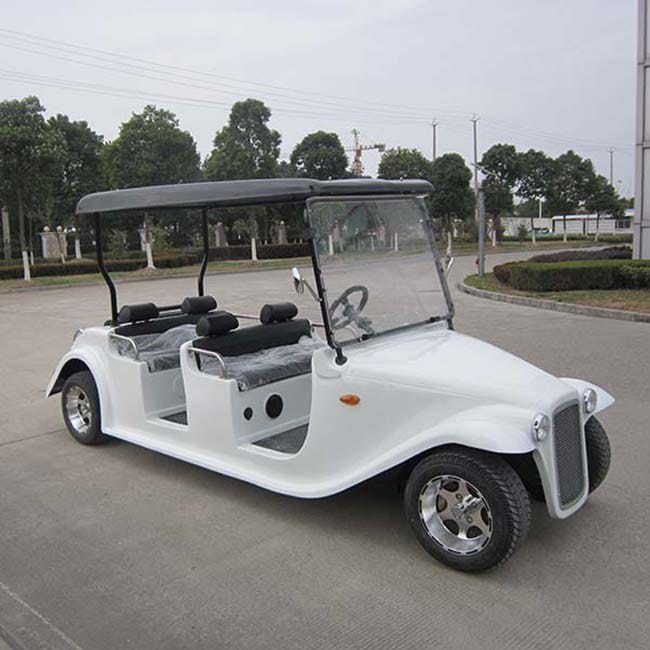
- Open, with no doors and no roof as standard. A roof is an option.
- It turns in under 5.5 m and is nearly 3.9 m long, so it needs a route with room.
6 Seater Vintage Buggy specification
The full figures for this model, as published by the manufacturer. Where a figure is not published we leave the row out rather than estimate it.
Performance
- Top speed
- 28 km/habout 17 mph
- Range on a charge
- 55 kmabout 34 miles, as stated by the manufacturer
- Climbing capacity
- 15%
- Braking range
- under 6 m
- Turning radius
- under 5.5 m
Weights
- Carrying capacity
- 480 kg
- Gross weight
- 670 kg
Motor and battery
- Motor
- AC 48V, 5 kW
- Controller
- 48V, 400A
- Battery
- 6 x 8V, 165Ah
- Charger
- Onboard
- Steering
- Rack and pinion
- Brakes
- Rear wheel mechanical drum
Dimensions
- Length, width, height
- 3840 x 1485 x 1210 mm3.84 m long
- Ground clearance
- 150 mm
Wheels
- Tyres
- 20 x 9.00-12
Options
Fitted to order. Tell us which you want and they are priced in the quote.
- Roof
- CD player
- Alternative battery set
Questions about the 6 Seater Vintage Buggy
- Why is the range lower than the 4 seater?
- It weighs more without carrying a larger battery: 670 kg gross against 500 kg, on the same 6 x 8V 165Ah set. The stated range falls from 70 km to 55 km as a result.
- Will it manage a hill?
- A gentle one. The stated climbing capacity is 15%, the lowest in the vintage line, so a steep drive is worth measuring before ordering. The four seater manages 20% and the lifted range 30%.
- How much can it carry?
- 480 kg against a 670 kg gross weight, which is six adults and their coats rather than six adults and luggage.
- How much does it cost?
- We price to specification rather than publish a figure. Tell us the route and whether you want a roof, and we will quote the vehicle, the delivery and the lead time together.
Other models to compare
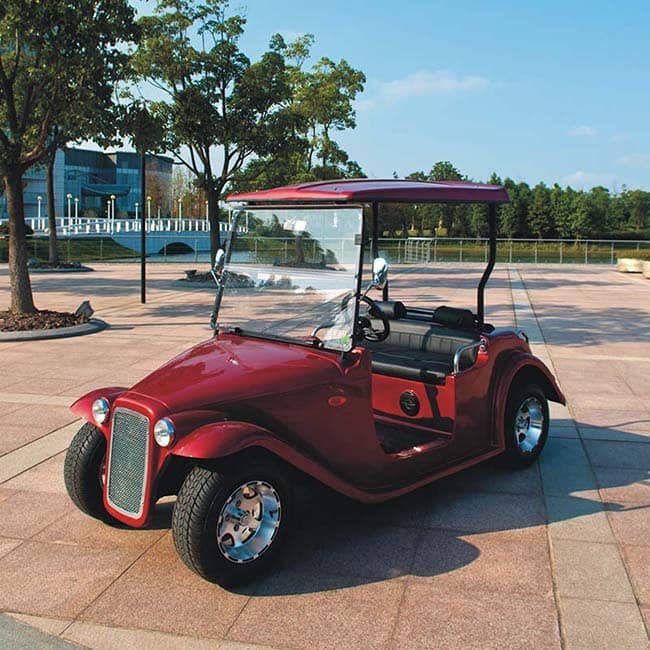
Vintage buggies
4 Seater Vintage Buggy
4 seater electric buggy in a 1930s open tourer body
- Seats
- 4
- Stated range
- 70 km
Specification and quote
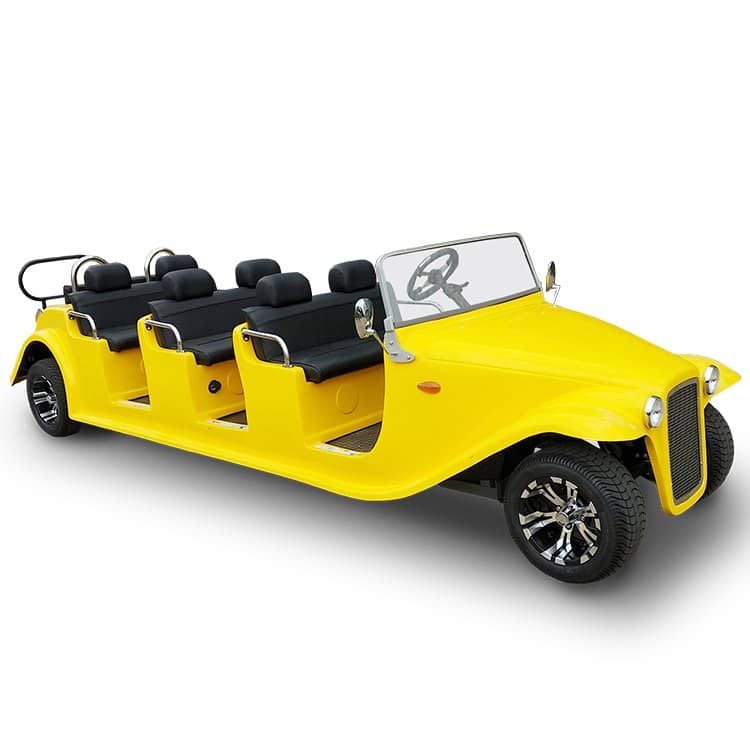
Vintage buggies
8 Seater Vintage Buggy
8 seater electric buggy in a 1930s open tourer body
- Seats
- 8
- Stated range
- 60 km
Specification and quote
Golf buggies
6 Seater Golf Buggy
6 seater electric golf buggy
- Seats
- 6
- Stated range
- 60 km
Specification and quote
Not sure whether to buy or hire
As a rule, buying wins if you would use it more than a few weeks a year or need it available without arranging anything. Below that, hiring usually costs less and takes the maintenance off you. The calculator works it through on your own numbers rather than ours.